Takaragawa Onsen was the second Japanese onsen (hot spring) we visited and I photographed in Japan - and it was purposely chosen because it is so very different from Hoshi Onsen. Unlike the indoor baths (uchiyu) at Hoshi Onsen, Takaragawa Onsen is a ryokan with a series of large outdoor baths (rotenburo) built directly into the riverbank. Like Hoshi Onsen, Takaragawa is located in the Gunma Prefecture an hours drive north-east of Hoshi Onsen.
My fascination with Japanese bathing culture is deeply rooted in its aesthetics. The architecture of the baths, the materials, the spatial composition, and the way the experience unfolds - either inwardly contained within enclosed interiors or opened generously toward the surrounding landscape in outdoor baths.
Takaragawa Onsen is widely regarded as one of Japan’s largest open-air hot spring baths, dramatically situated along the Takaragawa River. Ryokans, bridges, and bathing areas are arranged in a cohesive complex where the river becomes the guiding axis. Aesthetics are central to the experience here. Even though parts of the site bear the marks of time, Takaragawa remains a beautiful example of how expansive outdoor baths can be integrated beautifully into nature.
I hope these photos and stories from Takaragawa Onsen will bring a glimpse of the place and aesthetics I find so interesting.
Takaragawa Onsen - the ryokan and buildings
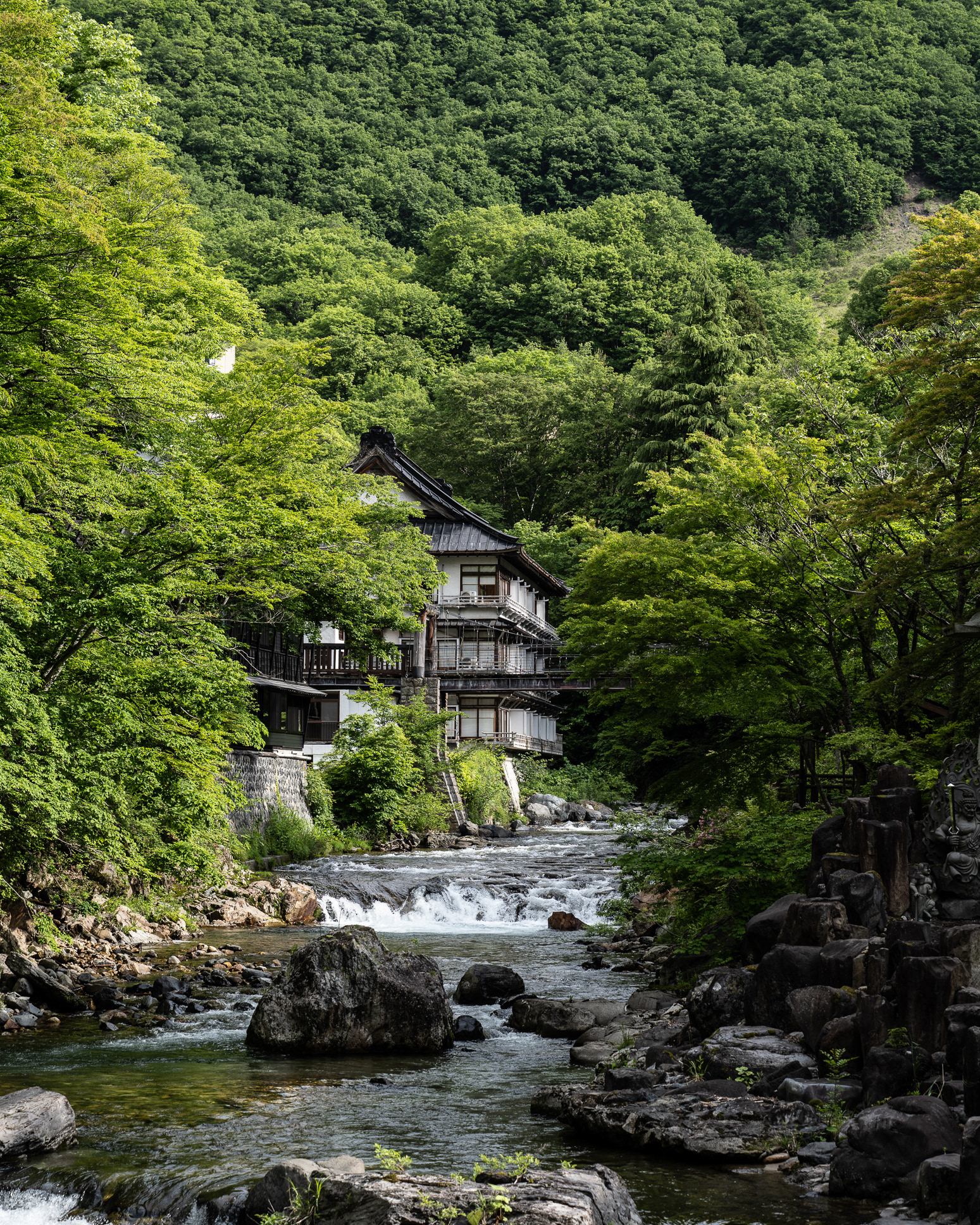
Looking upstream - seeing a small part of the First Annex, the Main Hall and the suspension bridge - at Takaragawa Onsen
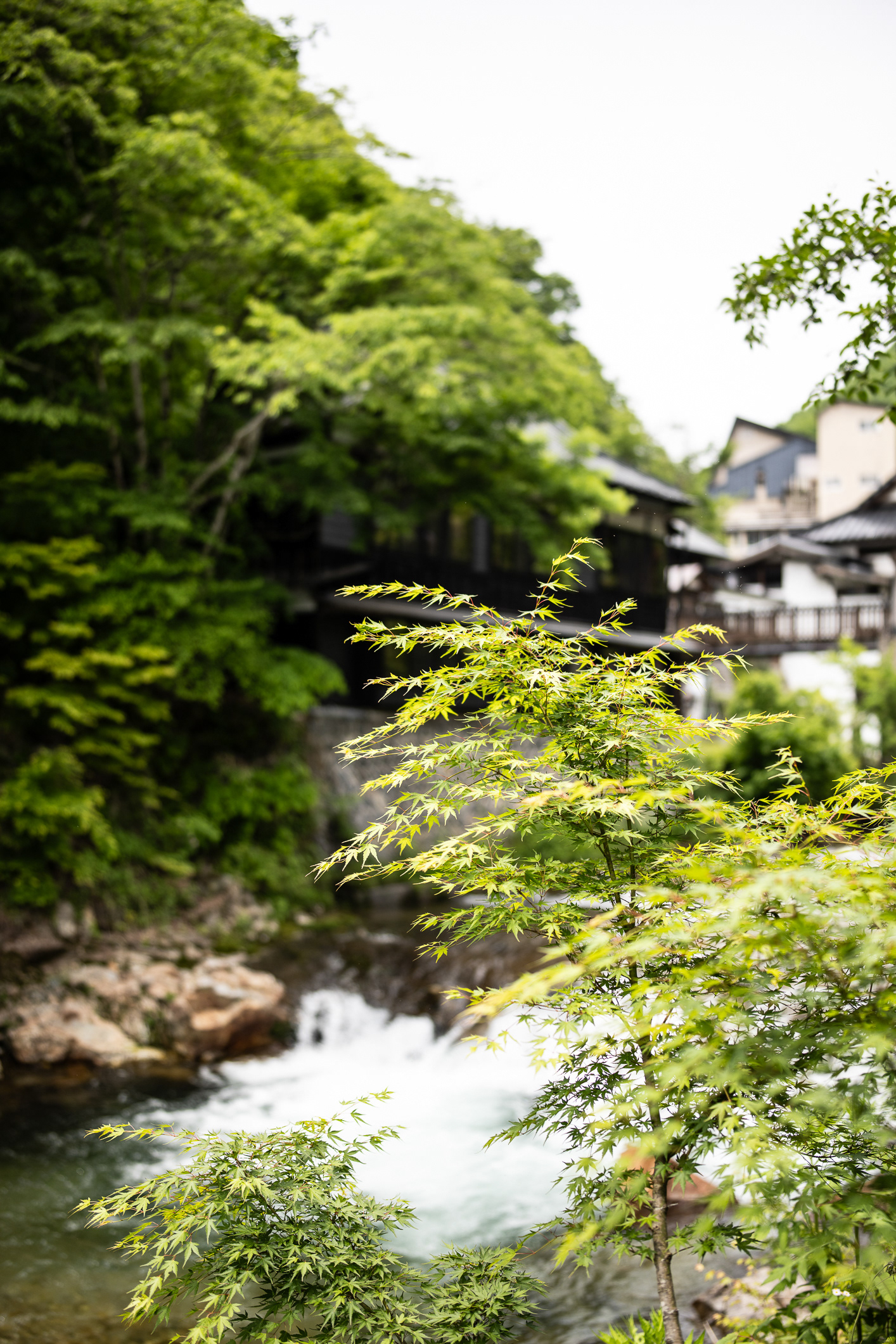
Look towards the First Annex at Takaragawa Onsen
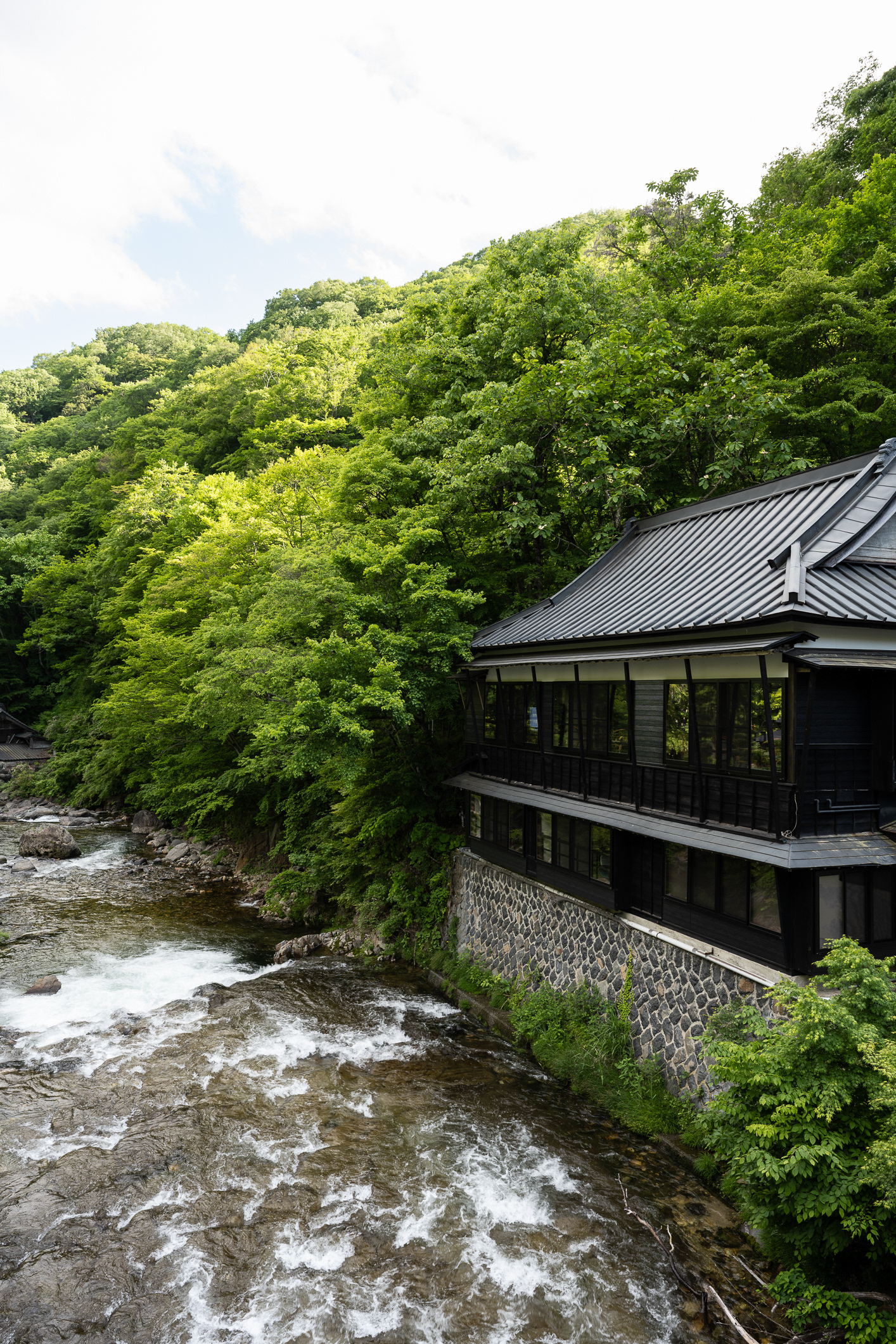
First Annex at Takaragawa Onsen
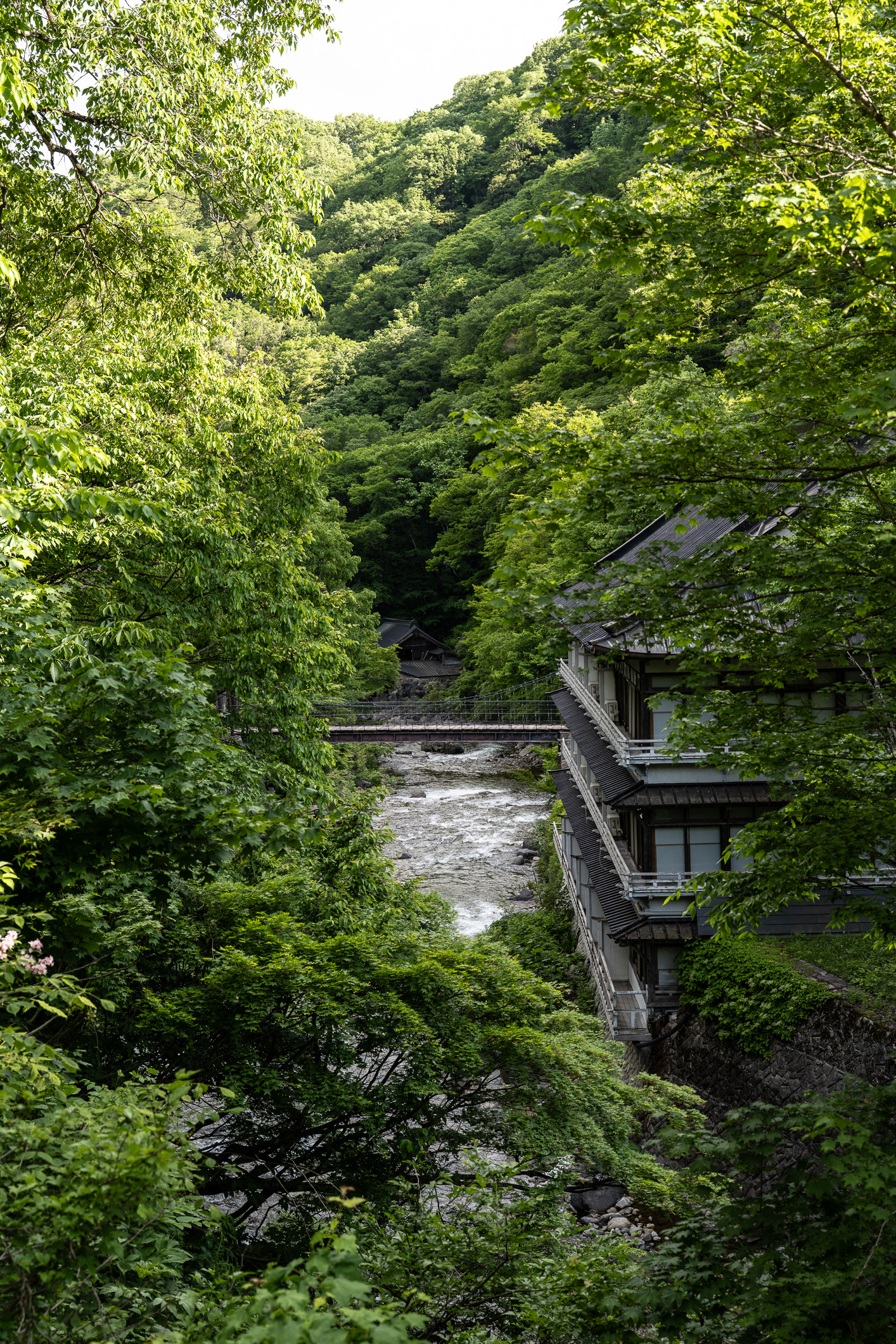
Looking downstream - the Main Hall and the bridge at Takaragawa Onsen
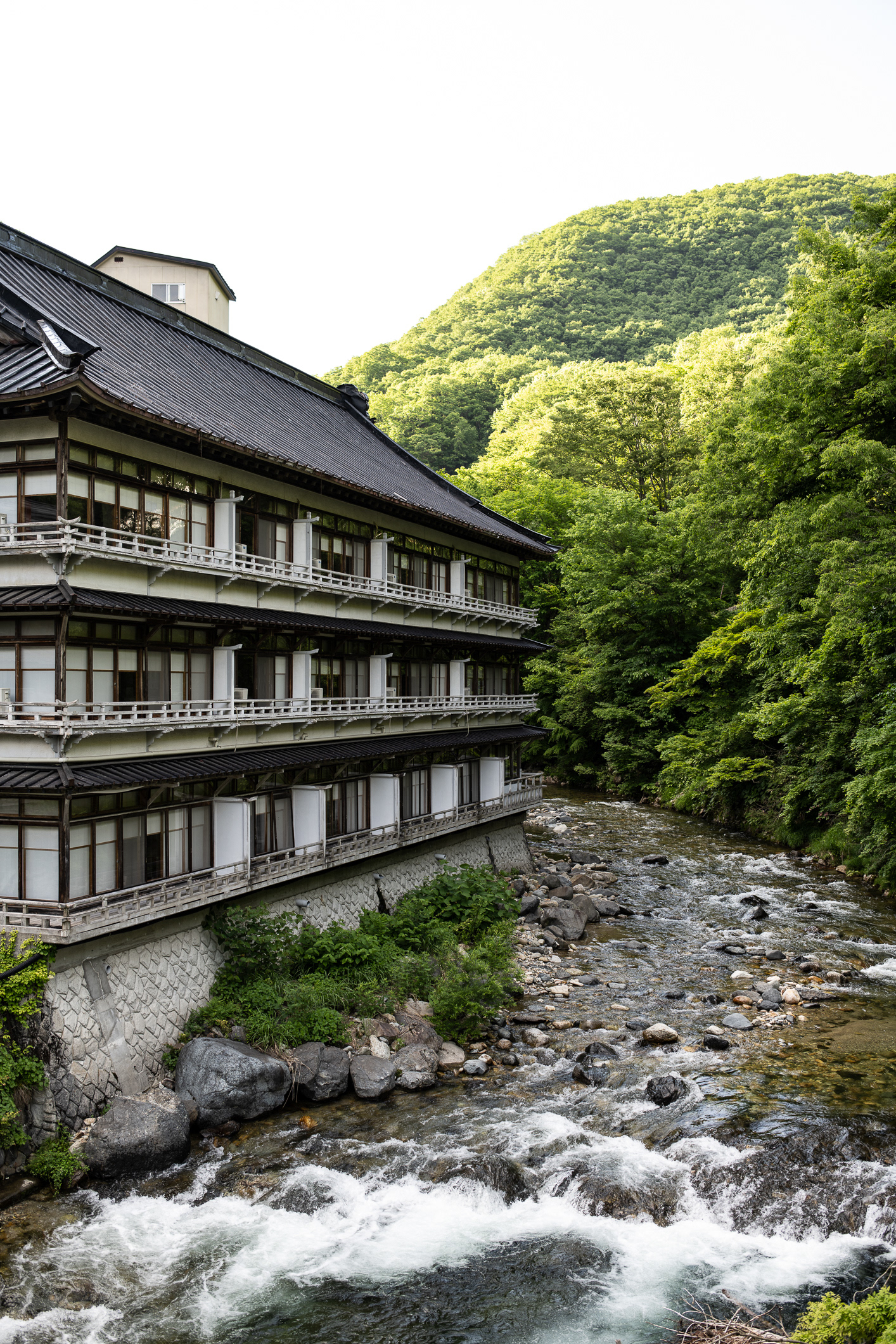
The Main Hall at Takaragawa Onsen
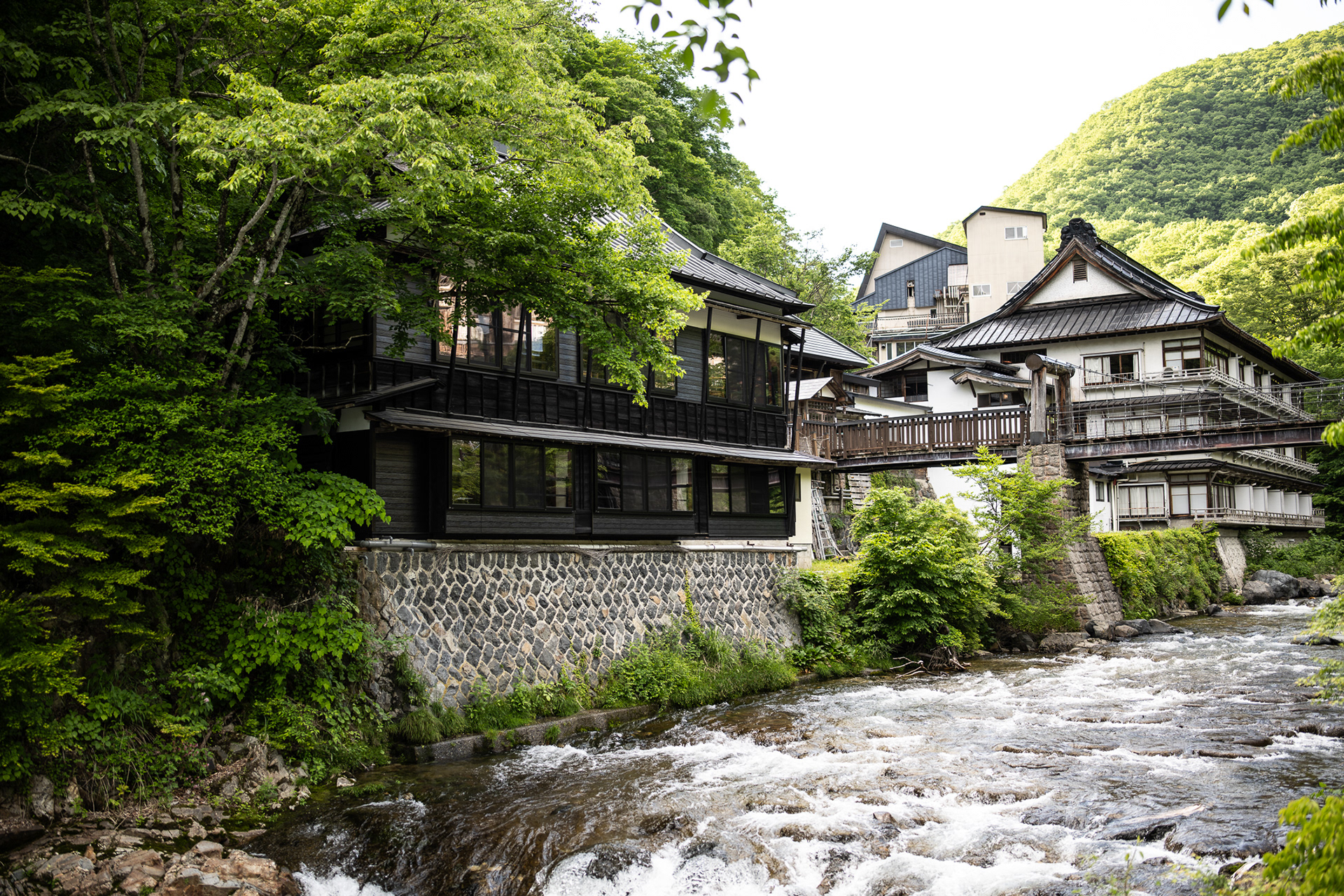
The First Annex, the Main Hall and the suspension bridge at Takaragawa Onsen
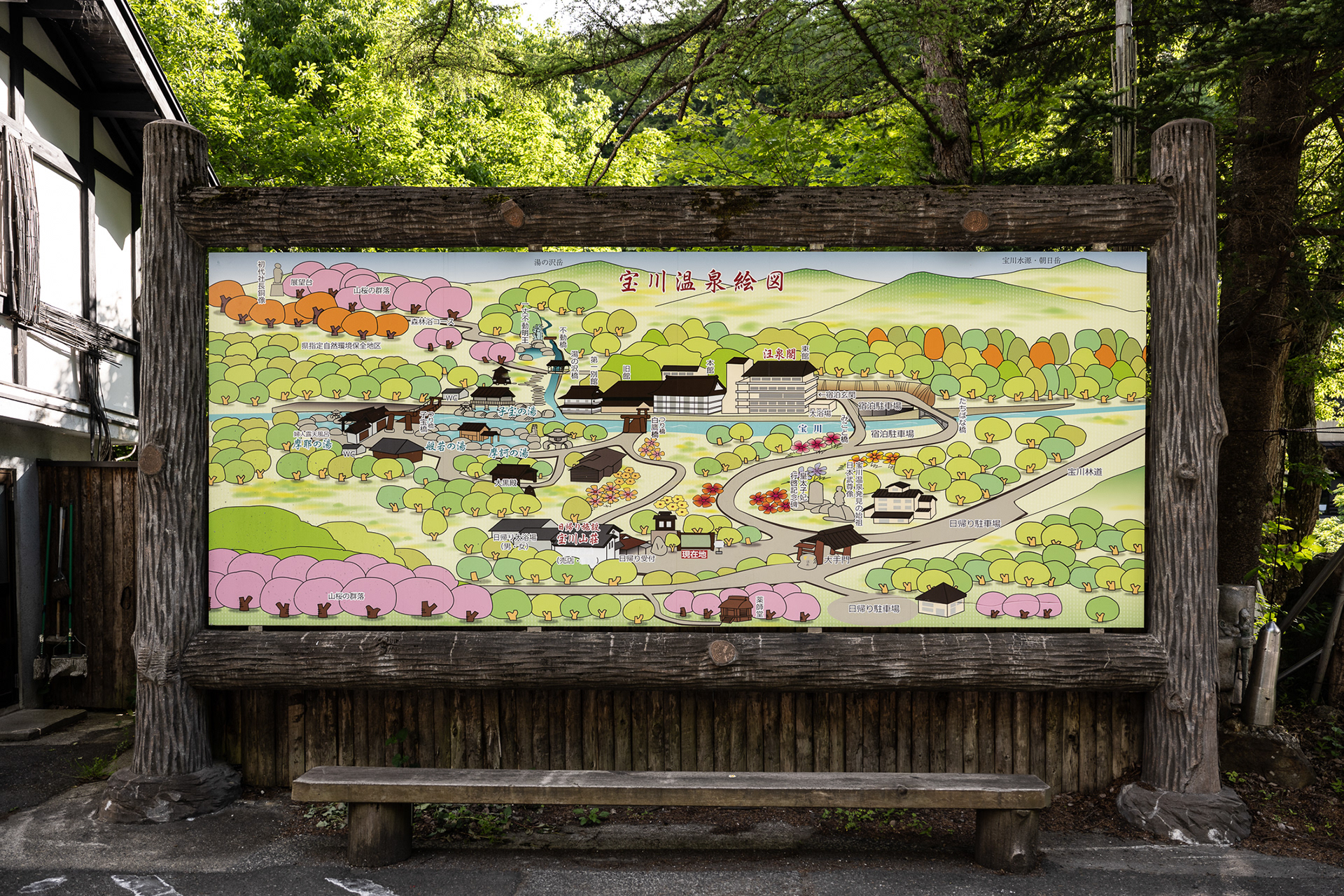
Map of the entire complex - ryokan, baths, paths and more - at Takaragawa Onsen
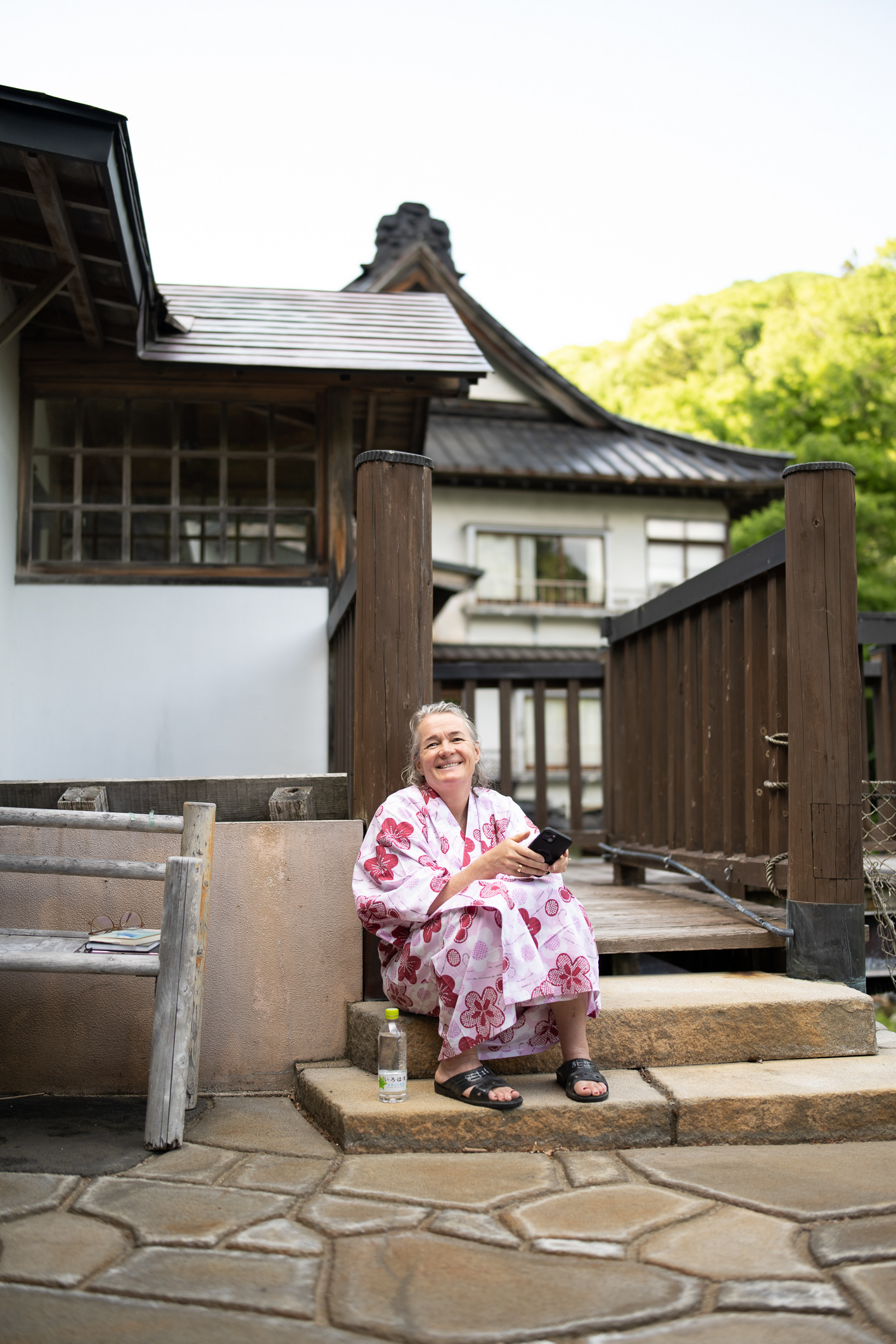
Mette waiting for me while I photograph the bridge - at Takaragawa Onsen
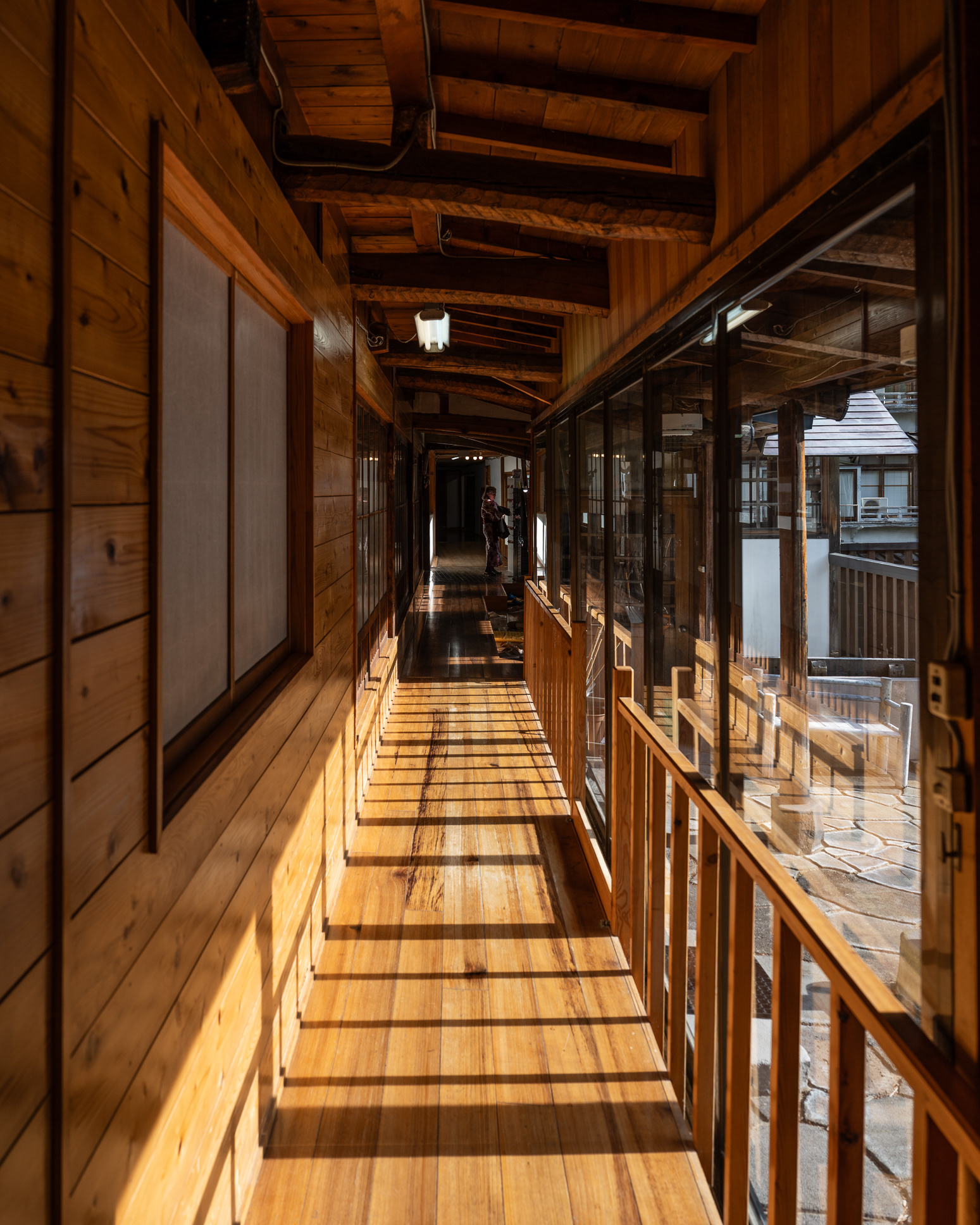
Hallway between First Annex and Main Hall at Takaragawa Onsen
Takaragawa Onsen Osenkaku sits deep in the mountains of Minakami Town in Gunma Prefecture, Japan, where the clear Takaragawa River carves its way through steep forested valley walls.
While the exact discovery of the springs predates detailed records, the name Takaragawa - literally treasure-acquiring river - speaks to the long-standing value placed on these waters. Hot springs in the region were already being used as therapeutic retreats in the early Taisho era (1912–1926), when the first simple onsen accommodations began.
A part of Takaragawa Onsen’s charm stems from its layered architectural timeline - from pre-war wooden annexes to mid-century expansions. These building are: First Annex, Main Hall and East Building.
First Annex - was built in 1936 and is the oldest lodge building at Takaragawa - and where we slept during our visit. It’s a two-story building with three rooms on each floor, narrow hallways, tatami floors and a wonderful atmosphere.
Main Hall - was built in 1955 entirely from pine wood. This iconic timber lodge anchors the ryokan both physically and visually - its weathered wood and traditional design harmonizing with the forested slopes. It was built after two years of major construction as the first true onsen inn facility in the valley. Three-story building with 16 rooms.
East Building - concrete building established in 1966 represents the ryokan’s transition toward accommodating larger numbers of guests as Takaragawa’s reputation as a destination grew. Its design contrasts with the timber lodges but remains unpretentious compared to urban resorts.Besides 20 rooms it includes dining rooms and two smaller indoor washrooms.
Takaragawa Onsen - the bridge to the baths
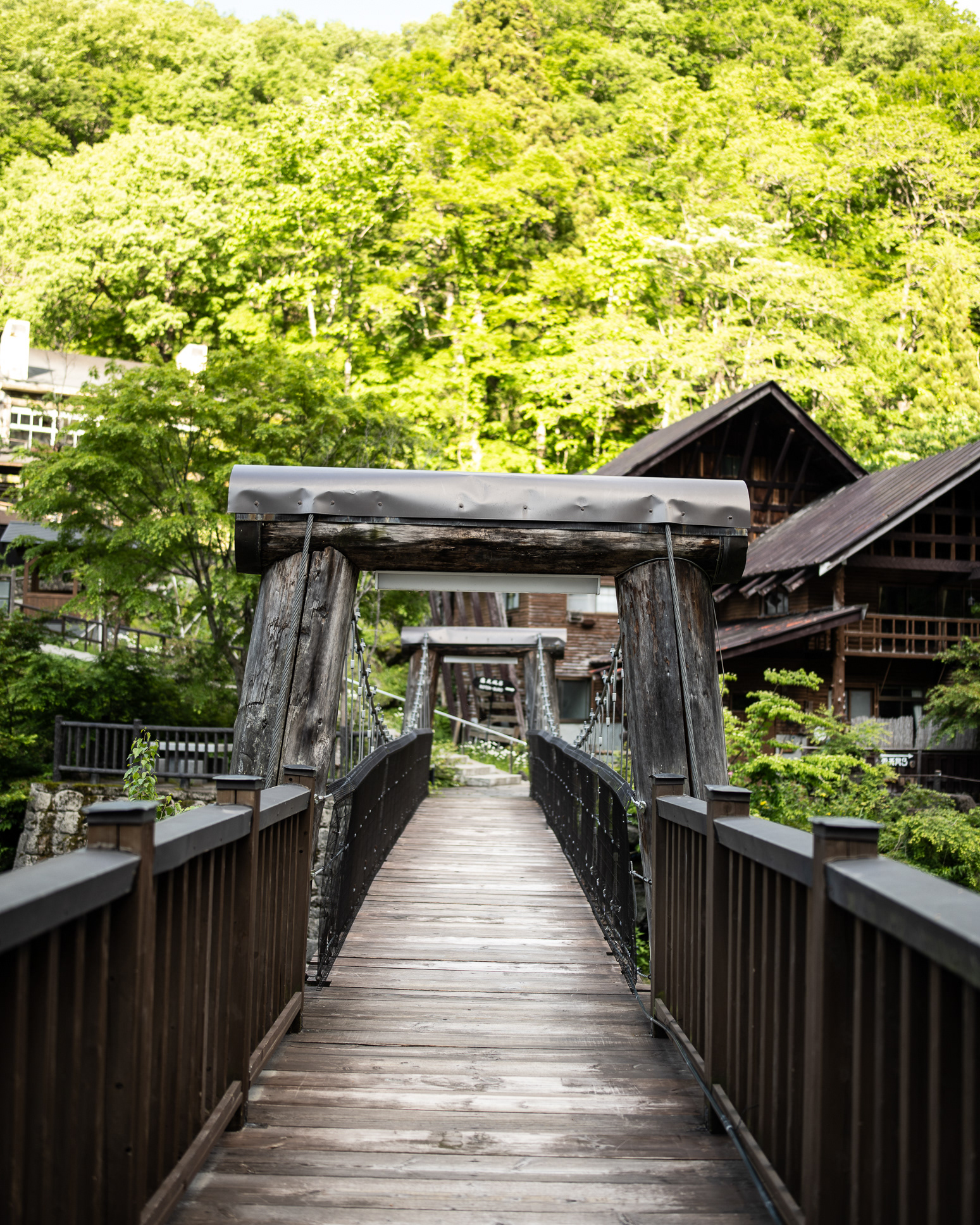
The suspension bridge at Takaragawa onsen - towards the baths
The suspension bridge at Takaragawa Onsen is a functional structure rather than a scenic attraction. It spans the Takaragawa River and serves as the transition point between the ryokan buildings and the outdoor bathing area.
Constructed primarily of wood and steel cables, the bridge is narrow and designed for foot traffic only. The wooden planks are left largely untreated, allowing them to weather naturally and become slightly uneven over time, which reinforces the sense of being in a mountain environment rather than a landscaped resort.
As you cross the bridge, the sound of the river becomes dominant, and the view opens toward forested slopes and steam rising from the baths downstream. This moment marks a clear psychological shift: the built environment recedes, and the bathing landscape comes into focus. The bridge functions less as a viewpoint and more as a threshold - separating daily routines from the act of bathing.
Takaragawa Onsen - and the four outdoor baths (rotenburo)...
Having crossed the suspension bridge you walk along trees entering the hot spring area. There are four main outdoor bath areas - three mixed-gender (konyoku) and one women-only bath. Together they form one of Japan’s largest open-air hot spring complexes with around 850 m² of bathing space. The entire outdoor bathing area is laid out along the edge of the Takaragawa River.
The hot spring water comes from four natural springs located on the property and within the surrounding valley. These springs produce an exceptionally high volume of flow - around 1,800 liters per minute - which is one of the reasons the outdoor baths can be so large and unfiltered. The water emerges at the sources close to around 70 °C before being cooled down entering the baths. In the baths: the temperature settles into a very comfortable 40–42 °C - warmer at the inlets and cooler at the edges.
The water is classified as a simple hot spring (tanjun onsen) meaning it doesn't contain very high concentrations of any single mineral - but does contain sodium, calcium, magnesium and trace sulfur compounds.
Maka-no-Yu - the historic central bath
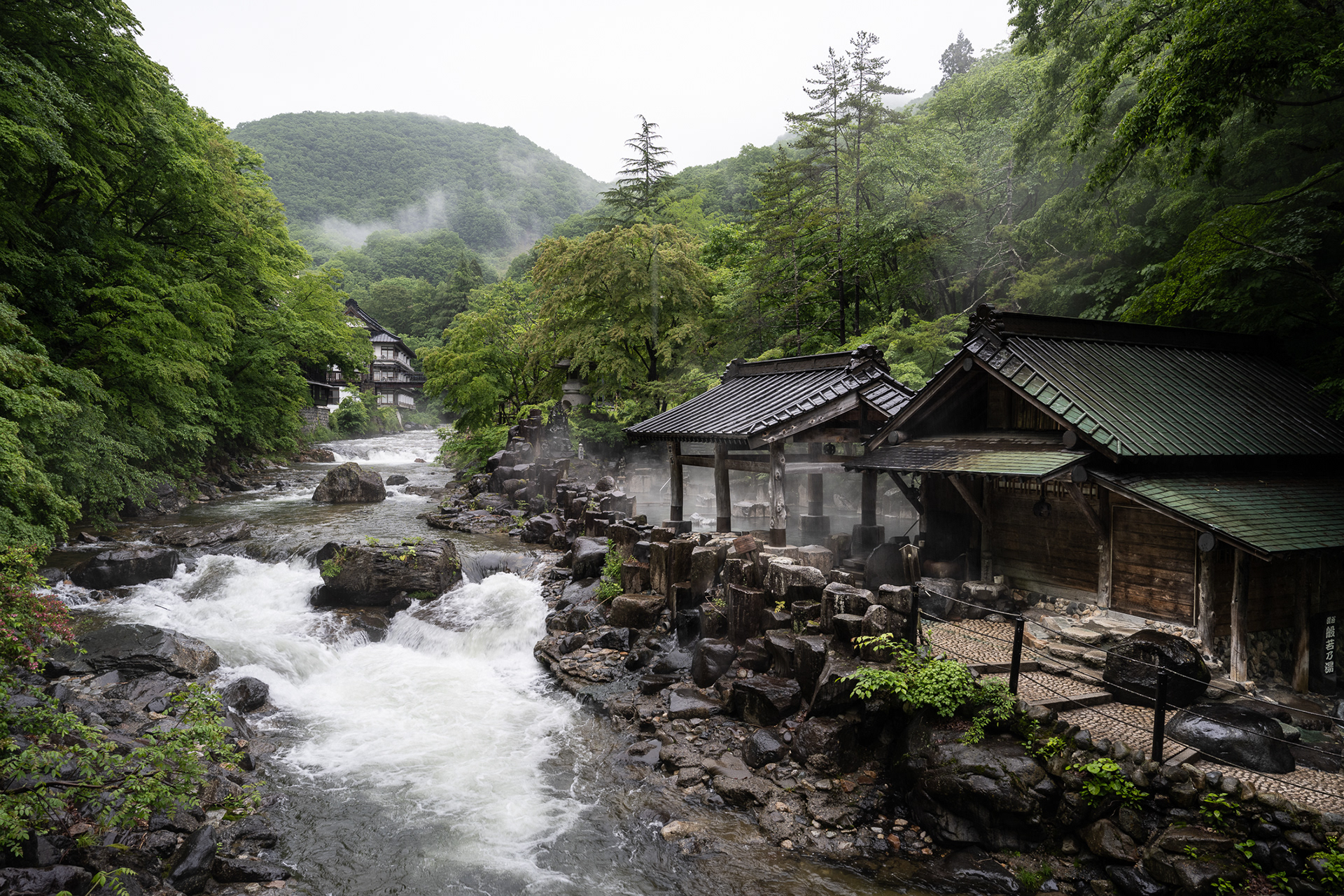
Takaragawa river and look towards the central bath - Maka-no-Yu
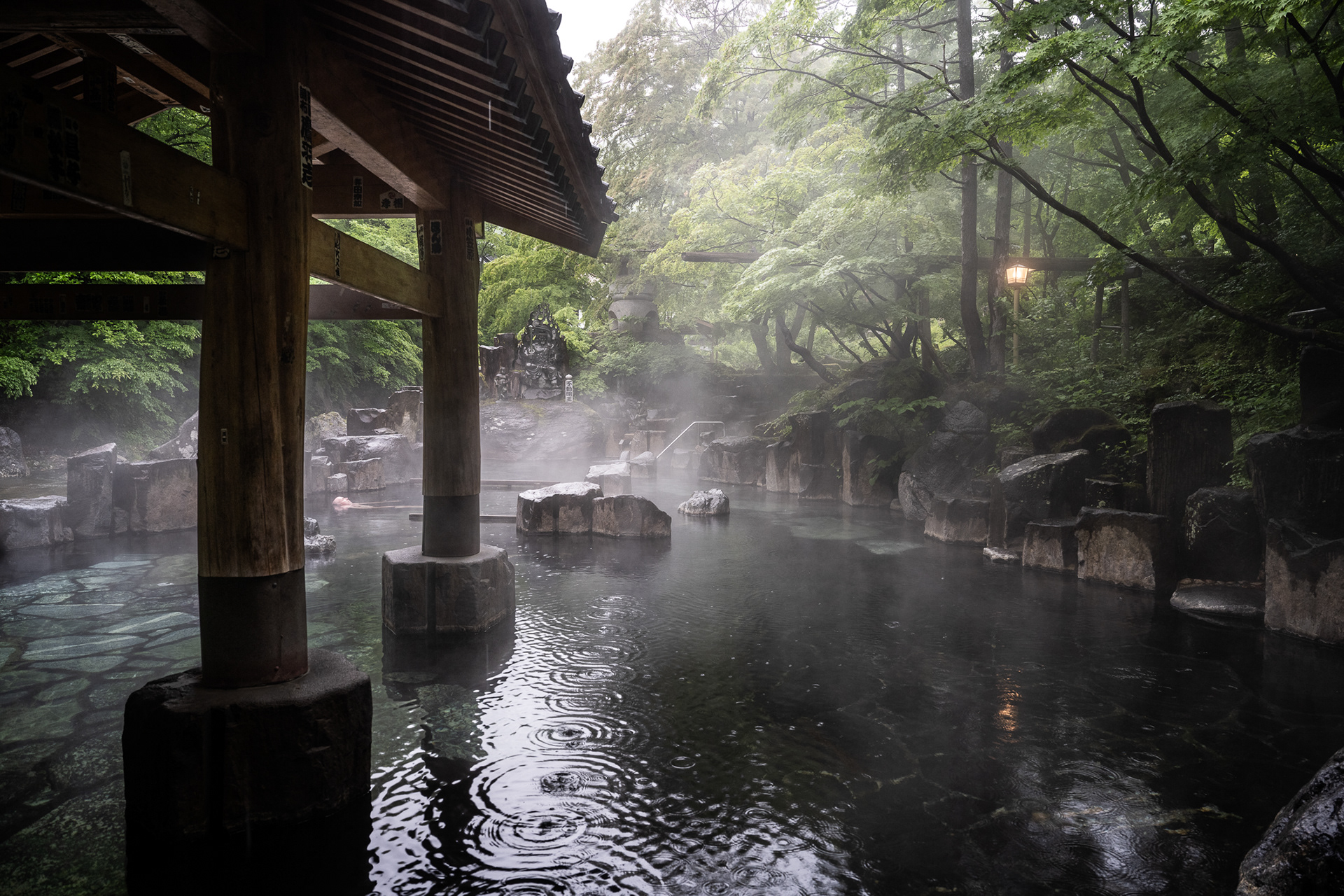
At the main bath, Maka-no-Yu, at Takaragawa Onsen
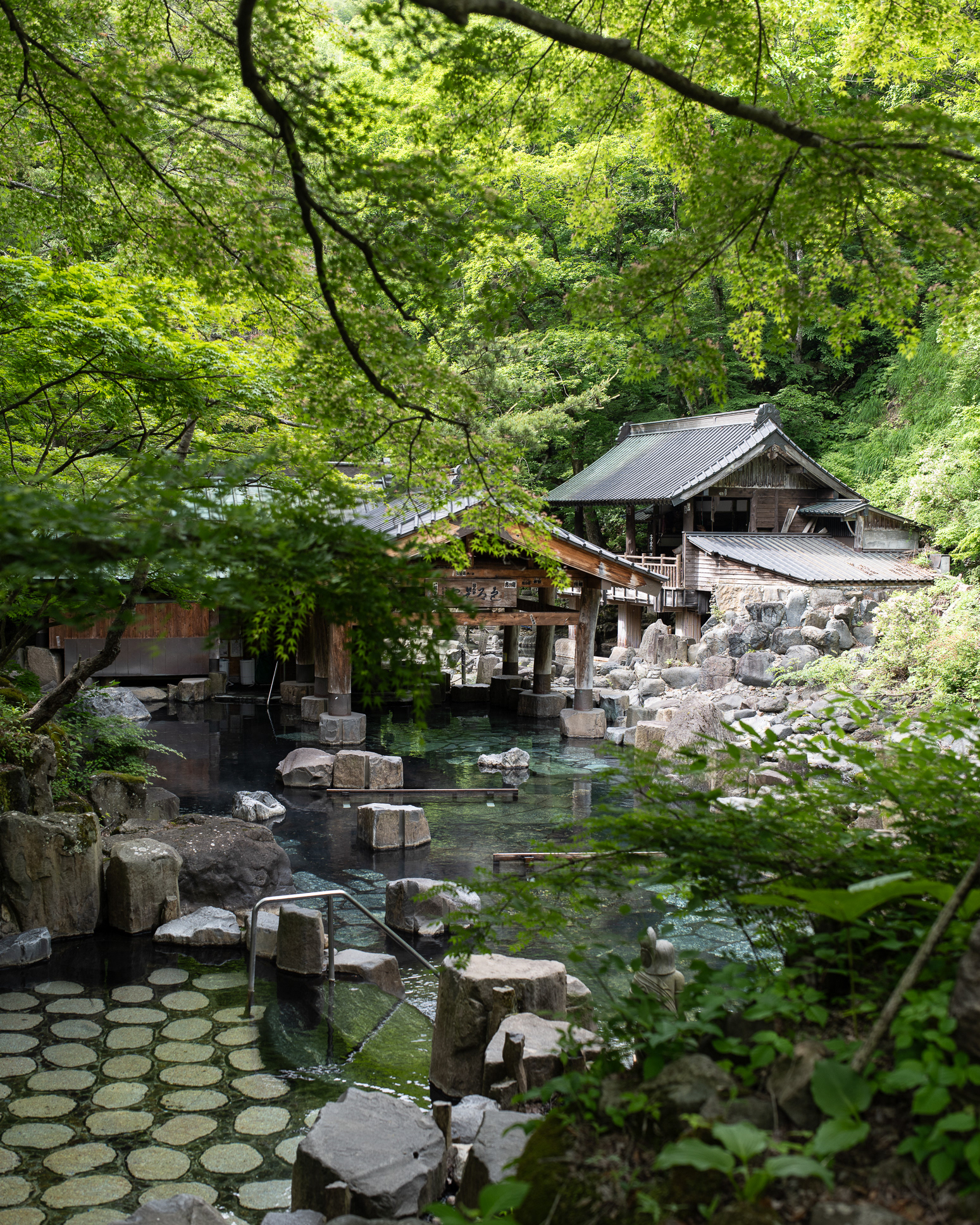
Maka-no-Yu at Takaragawa Onsen
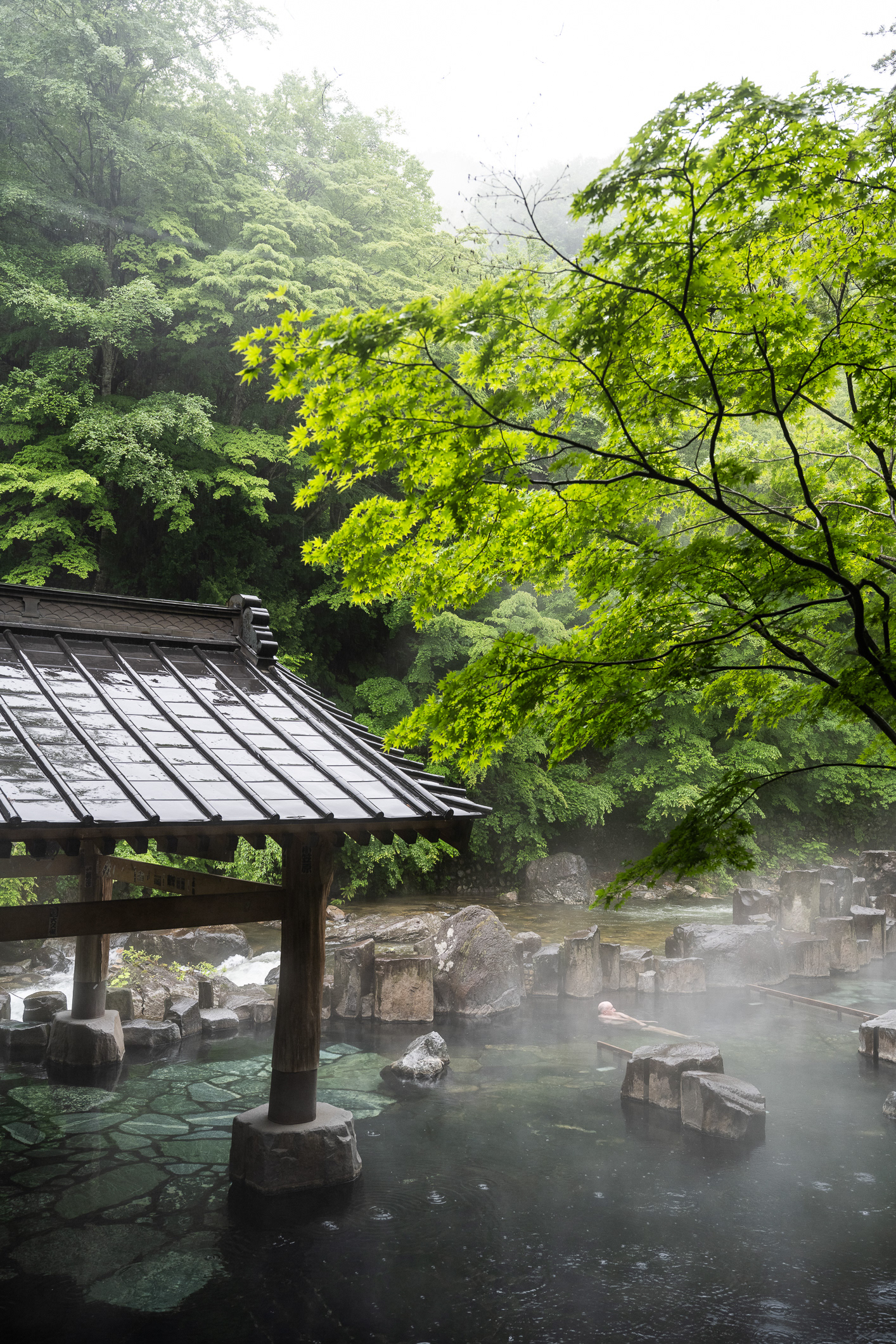
Maka-no-Yu at Takaragawa Onsen
Maka-no-Yu is the first outdoor bath you meet as you reach the large open-air bathing area of Takaragawa Onsen. It sits right beside the Takaragawa River, with the current rushing by just metres from the bathing edge, framed by towering trees and mountain slopes. It was originally built in 1940 and has later been renovated and made larger. It is around 200 m² / 120 tatami mats.
Hannya-no-Yu - the small shallow bath
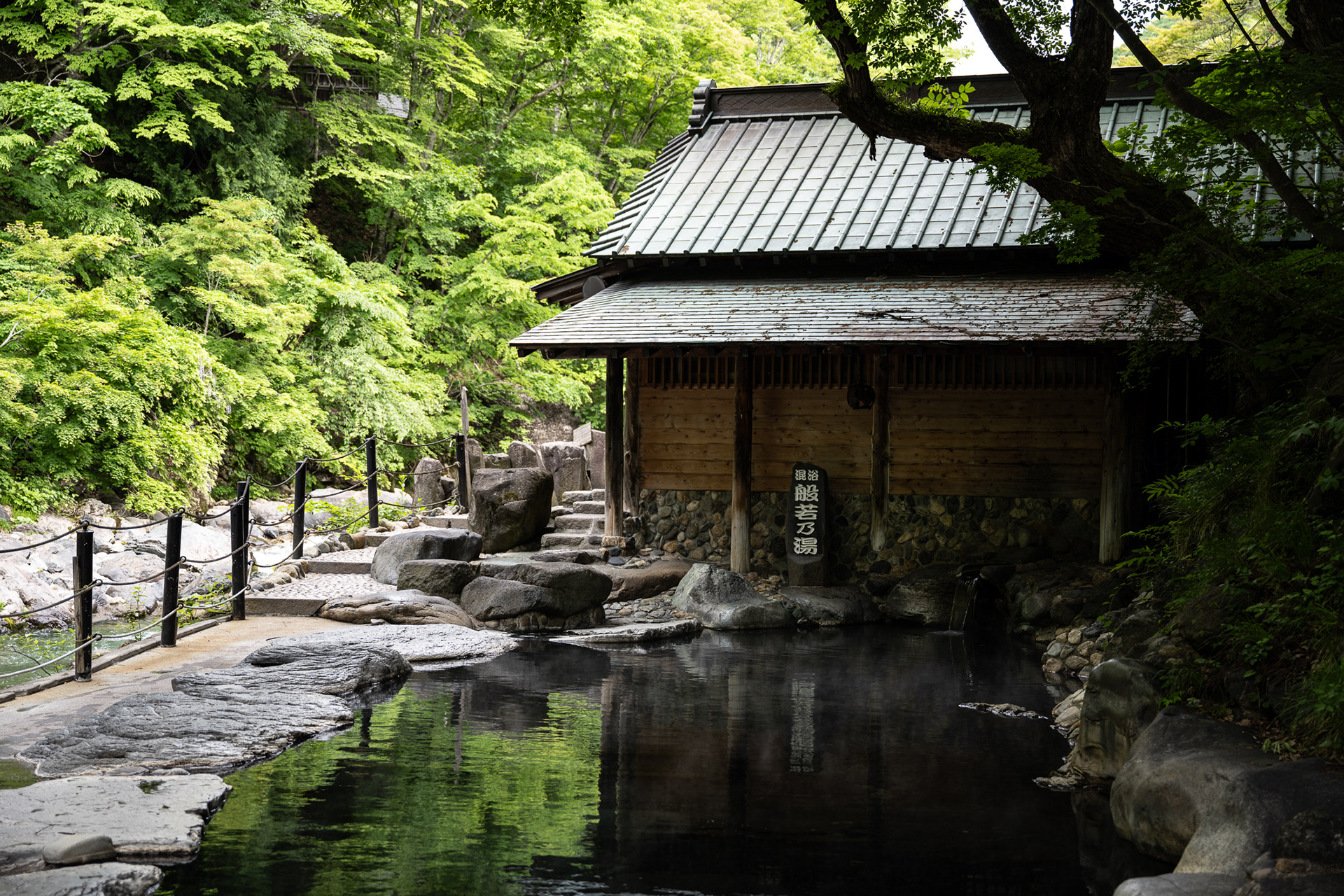
Hannya-no-Yu at Takaragawa Onsen
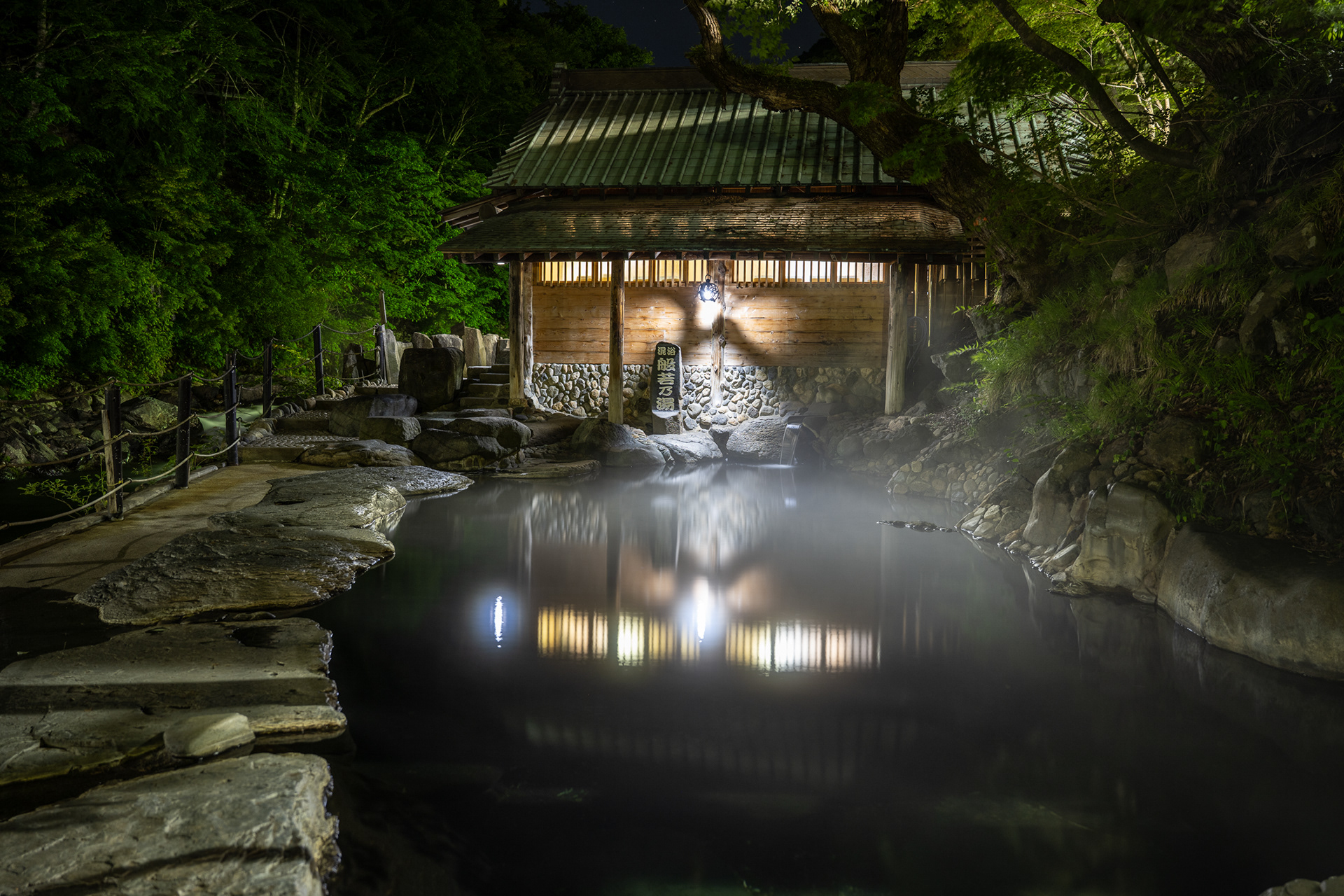
Hannya-no-Yu at Takaragawa Onsen
The bath, Hannya-no-Yu, is positioned downstream from Maka-no-Yu along the Takaragawa River. It’s nestled right beside the riverbank, accessed on foot from the change rooms used for Maka-no-Yu. The water is quite shallow and the size is around 50 tatami mats which is around 80 m².
Maya-no-Yu - the women-only bath
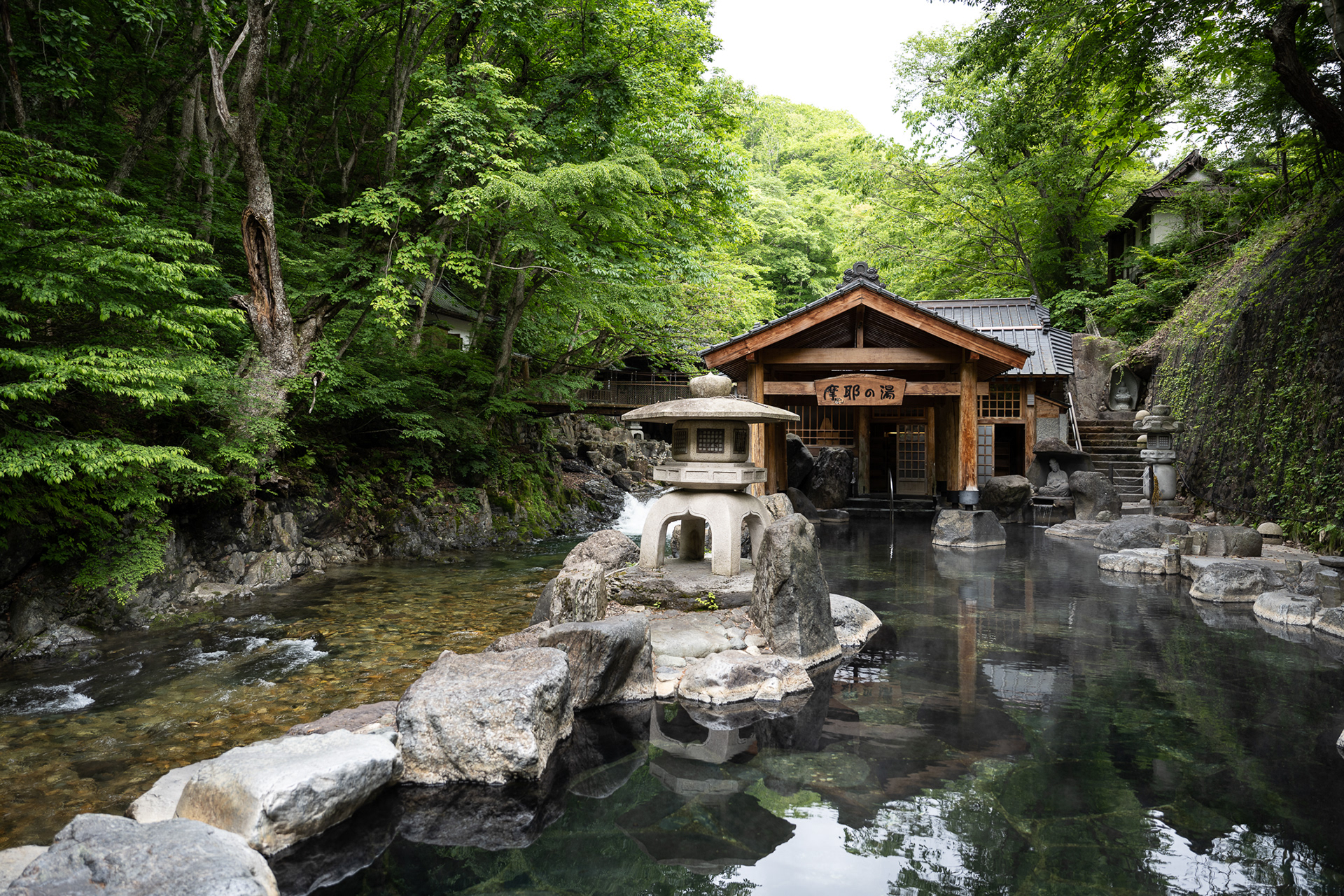
Maya-no-Yu - the women-only bath at Takaragawa Onsen
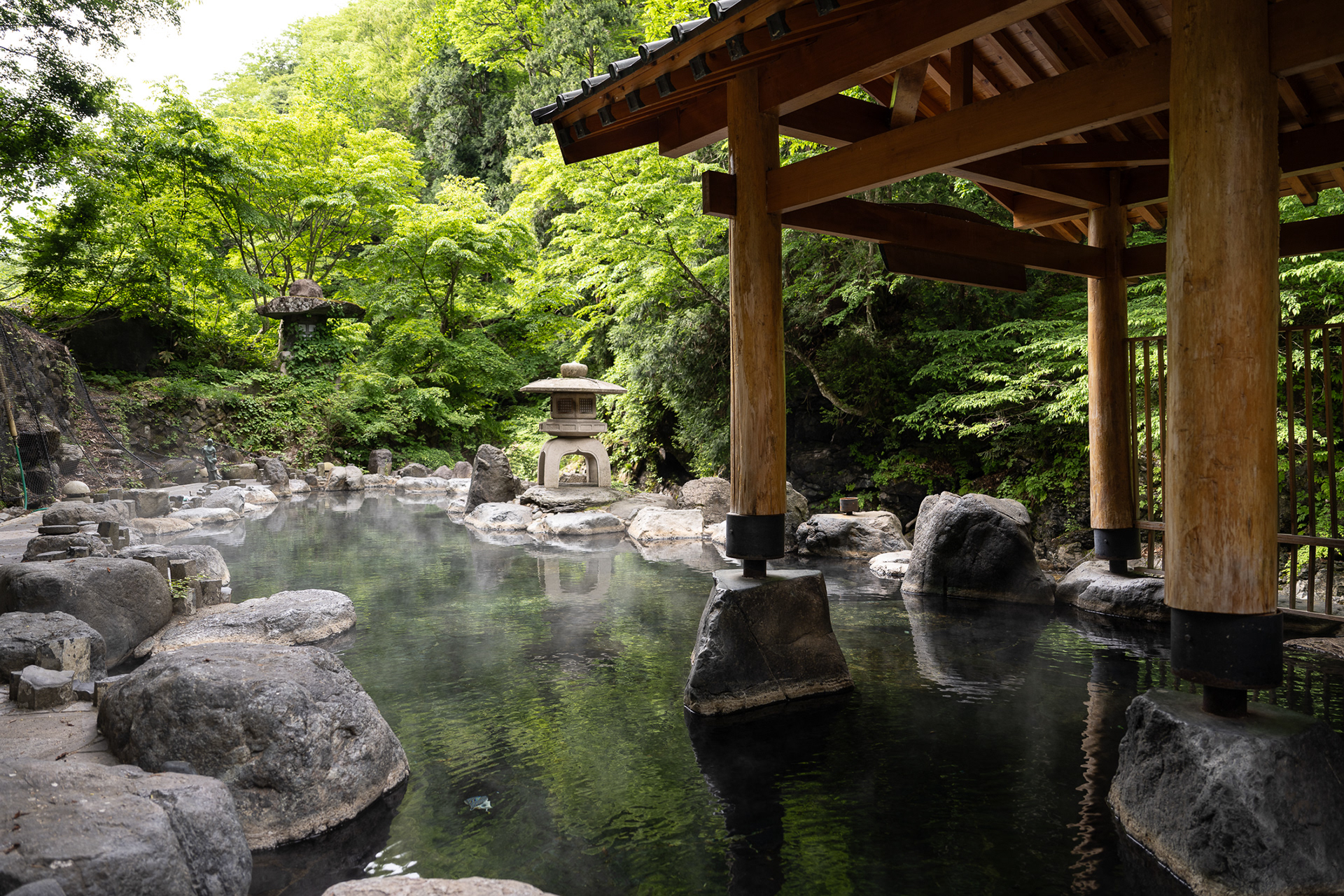
Maya-no-Yu - the women-only bath at Takaragawa Onsen
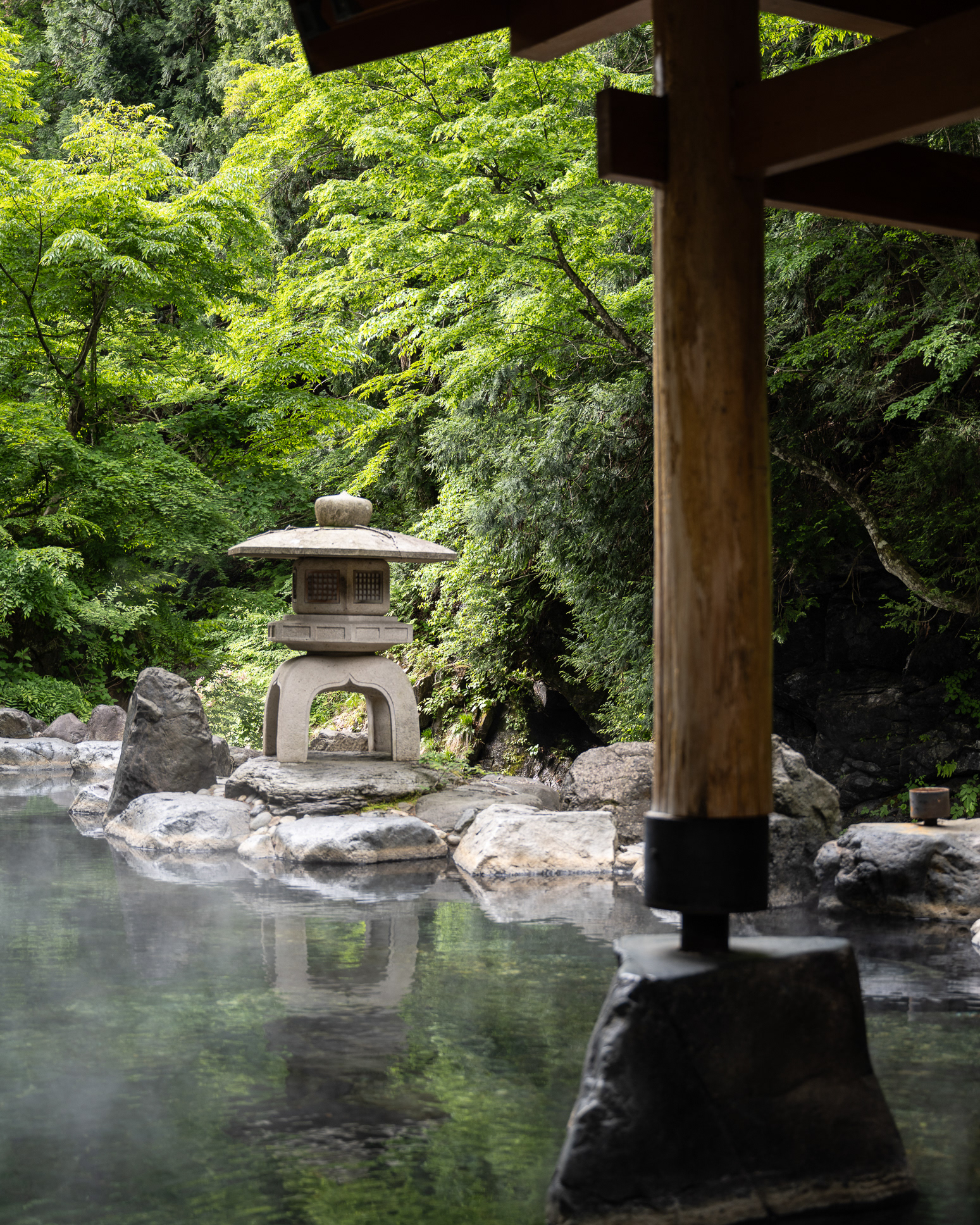
The lantern at Maya-no-Yu - the women-only bath at Takaragawa Onsen
Maya-no-Yu was made in 1970 in response to requests from female visitors who wanted to enjoy an outdoor hot spring with privacy and comfort, separate from the other mixed-gender baths. It was one of the first large outdoor baths in Japan designed specifically for women.
It is downstream from the other baths providing privacy without fencing the bath. On one side you have the mountain side and on the other side the river. It is about 100 tatami mats / 150 m².
Kodakara-no-Yo - the largest outdoor bath
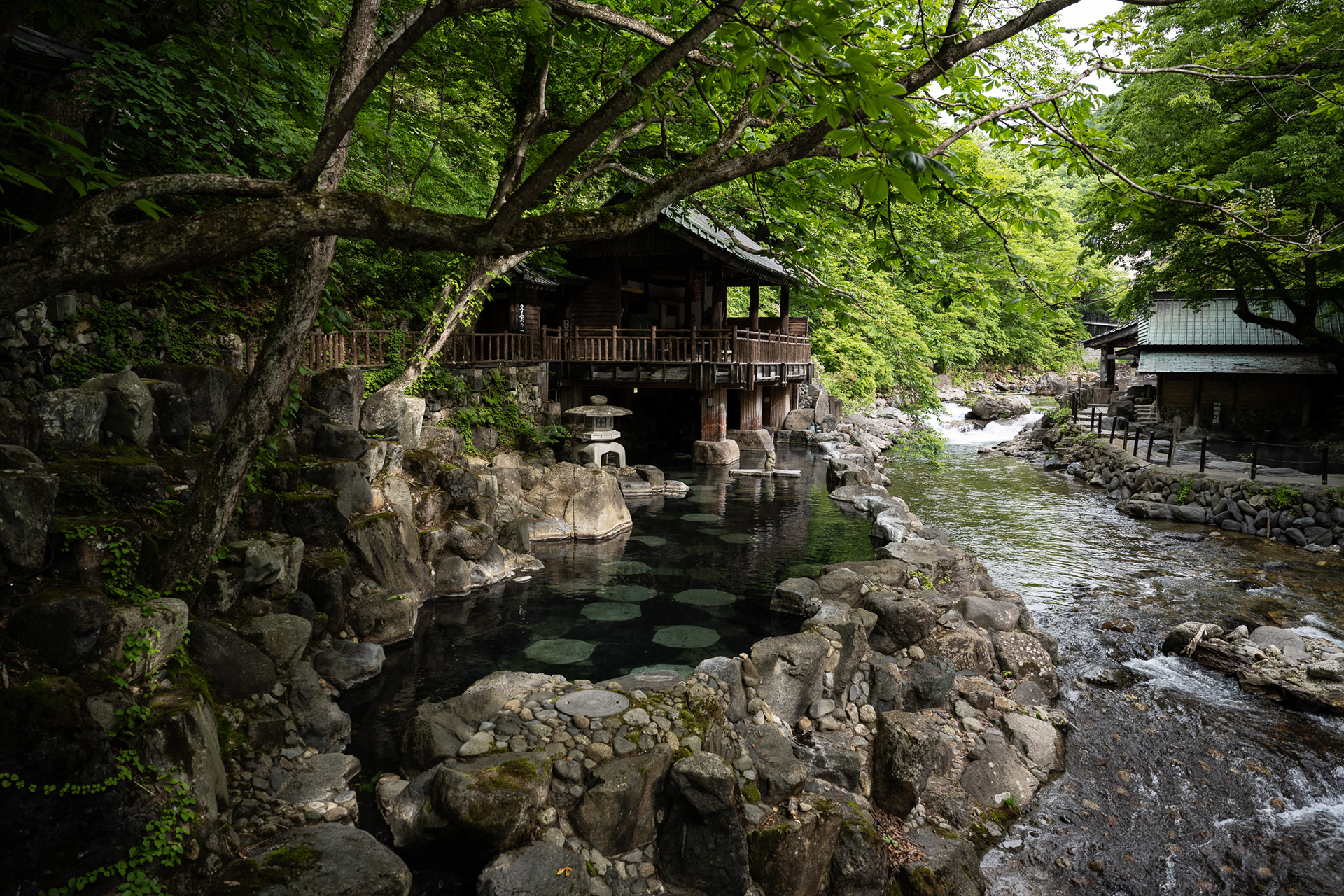
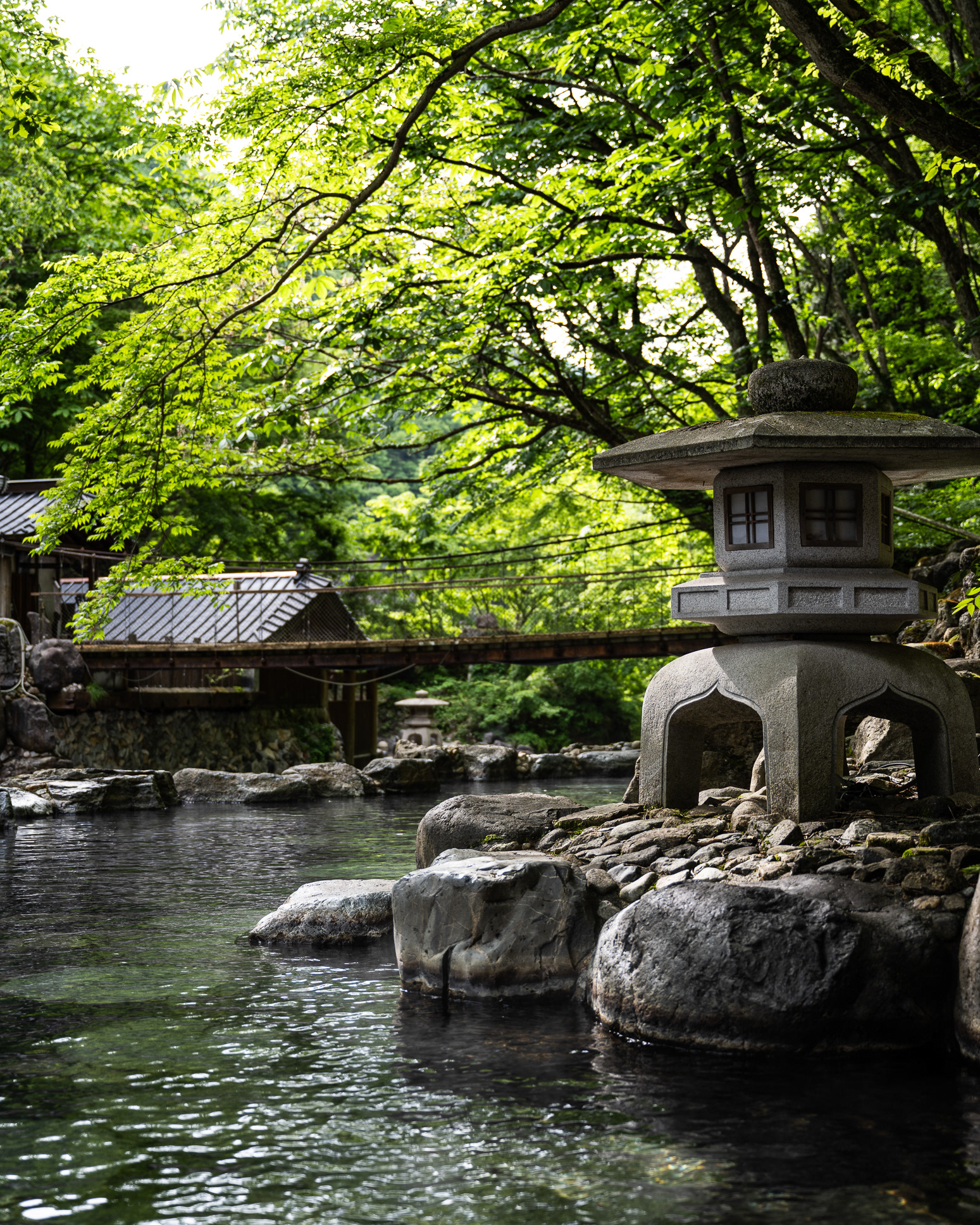
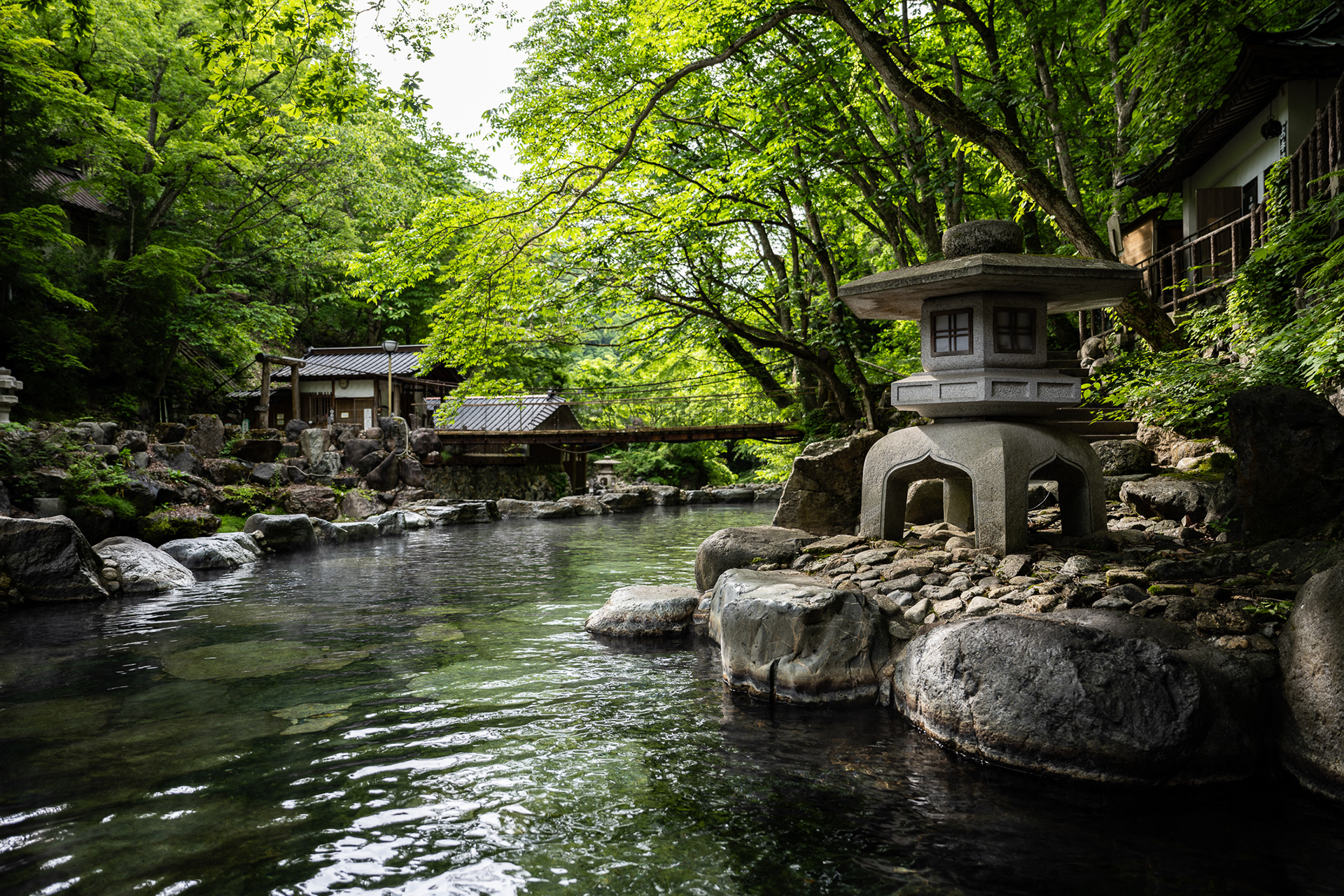
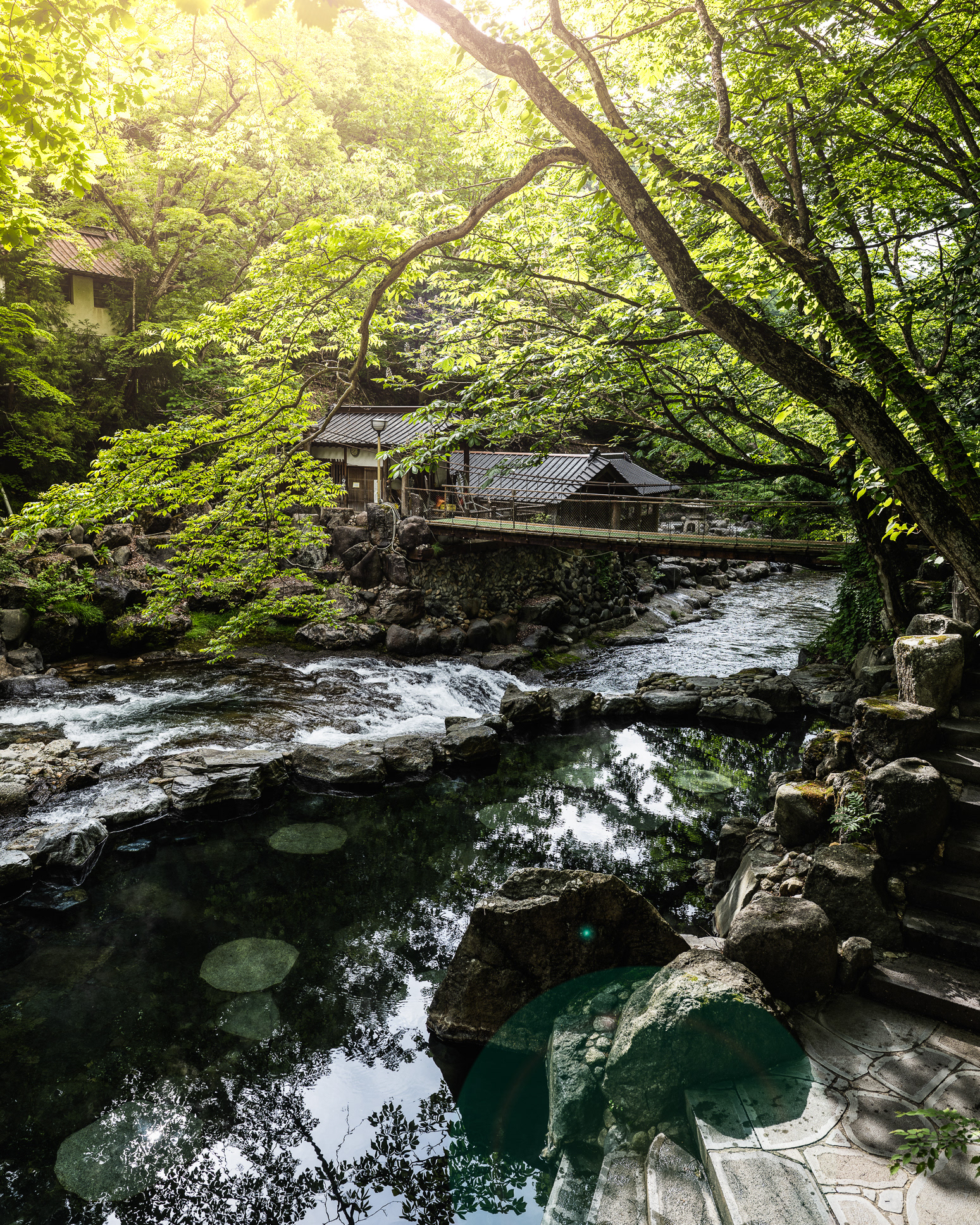
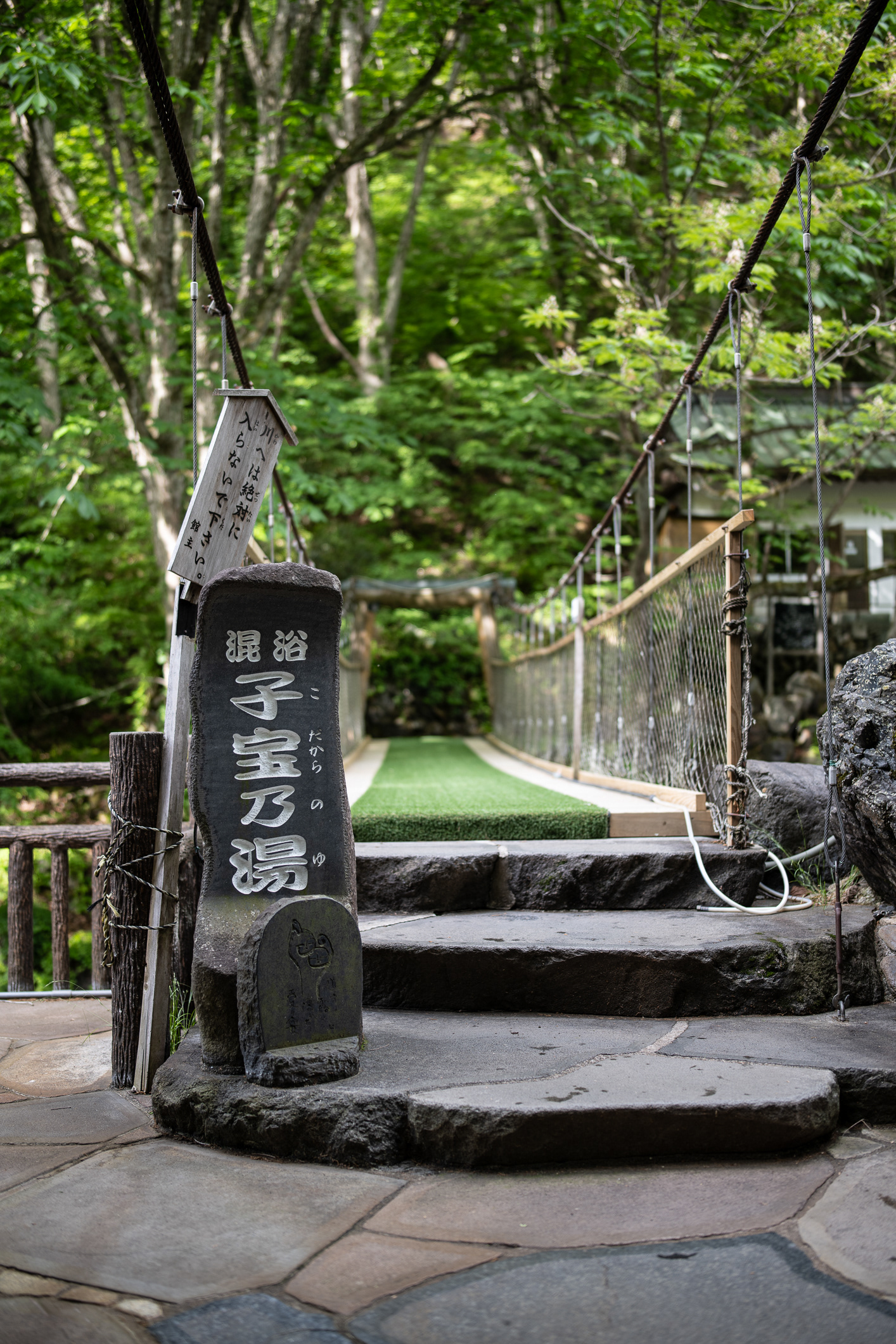
Kodakara-no-Yu is the largest outdoor hot spring bath at Takaragawa Onsen, and one of its most famous and iconic features. The name translates literally as “Bath of Child Treasure” - a poetic expression rooted in Japanese cultural and spiritual ideas about fertility, family prosperity, and life’s blessings. It was developed as part of the post-war expansion of Takaragawa Onsen’s outdoor bathing complex, growing through the mid-20th century as the onsen became better known and more accessible to visitors.
It is across the river from the other three baths. Just before crossing the river you see a stone - the horisontal signs says "konyoku" meaning mixed gender bath and the vertical signs says "kodakara no yu" meaning hot spring for the blessing of children/fertility.
The bath is 330 m², which is about 200 tatami mats in traditional Japanese measurement.
Rooms at Takaragawa
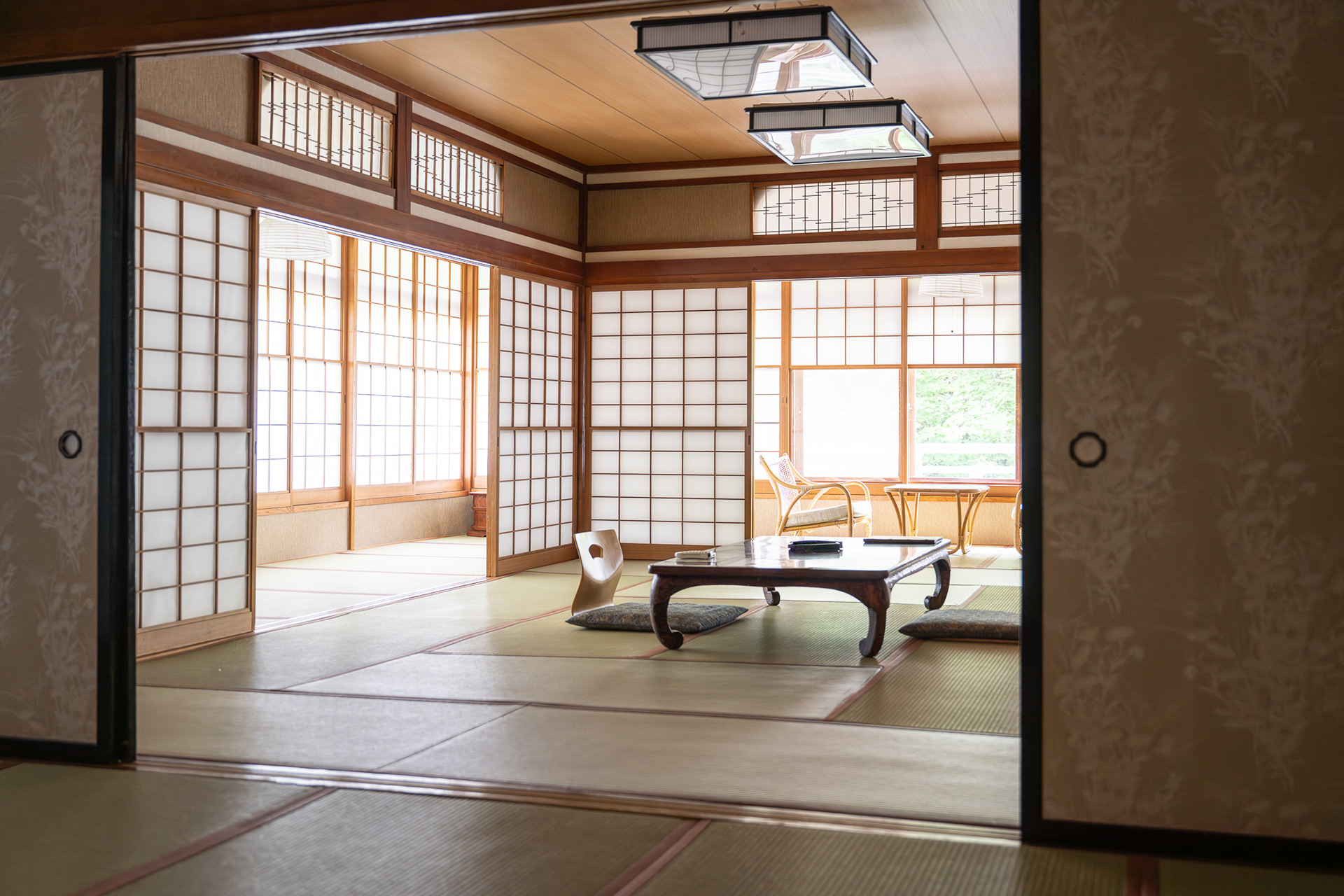
Traditional room at Takaragawa Onsen in the First Annex
At Takaragawa Onsen, all guest rooms are authentically Japanese-style (washitsu), nestled in three distinct buildings along the Takara River - each with its own atmosphere and history. The décor leans heavily on tatami mats, sliding shoji screens, and traditional futon bedding, giving a genuine sense of traditional ryokan living in a tranquil mountain setting.
We stayed in the First Annex which is the oldest part of Takaragawa Onsen. A large beautiful room on the second floor in the corner facing the river - complete with all the elements you'd expect from a traditional ryokan - tatami mat floors, futon bedding made for you each evening, seating area etc.
Meals at Takaragawa
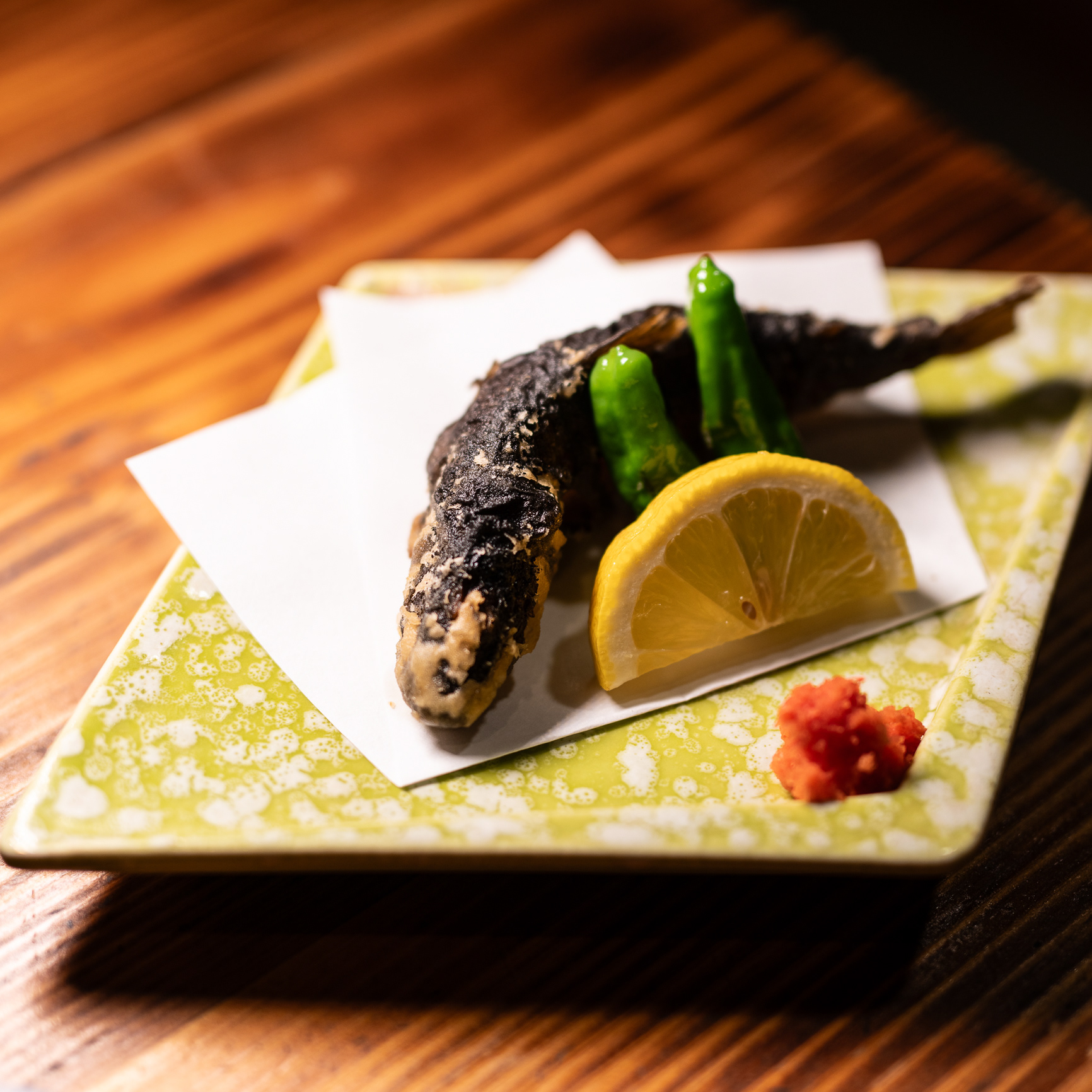
Fish serving at the dinner, Takaragawa Onsen
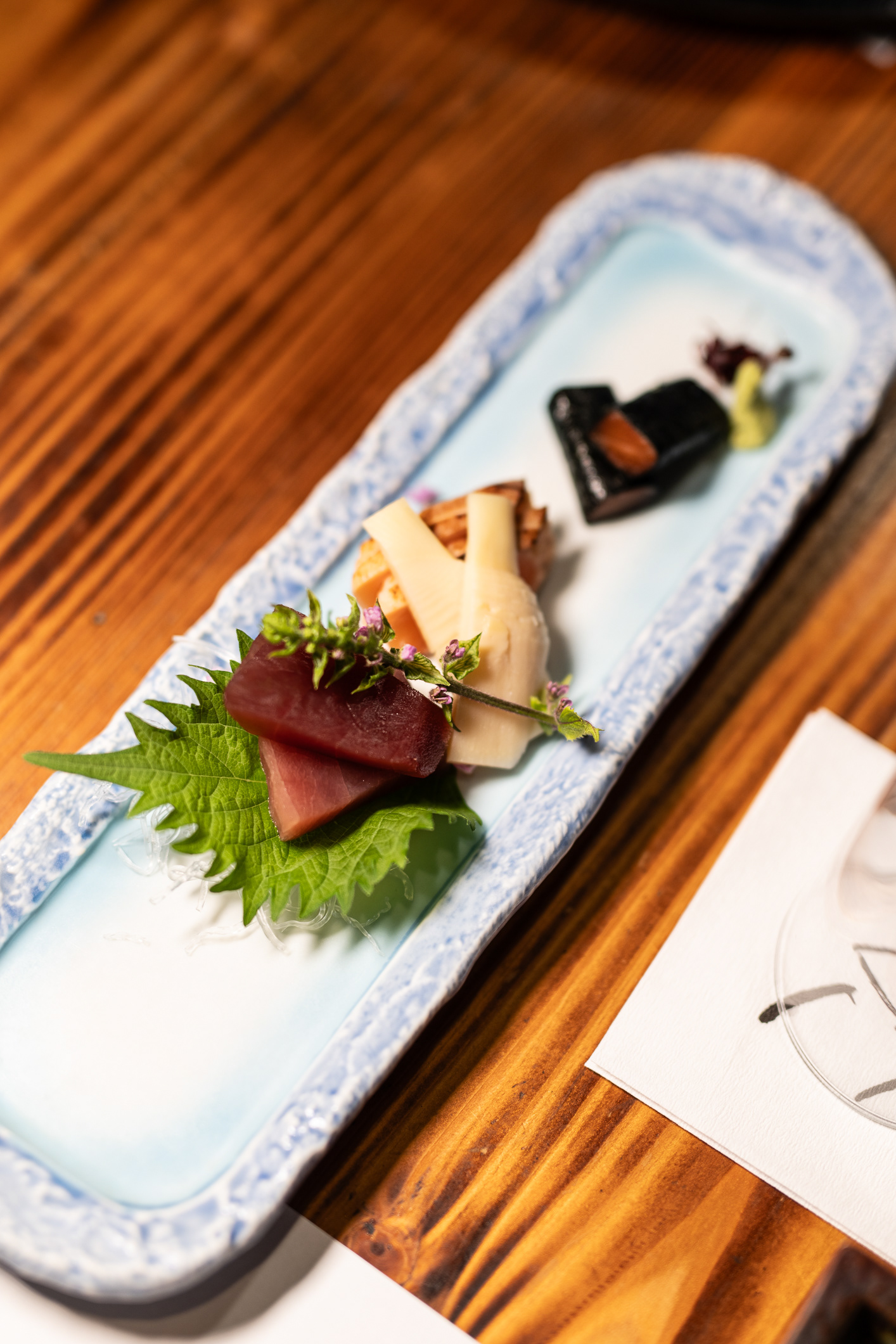
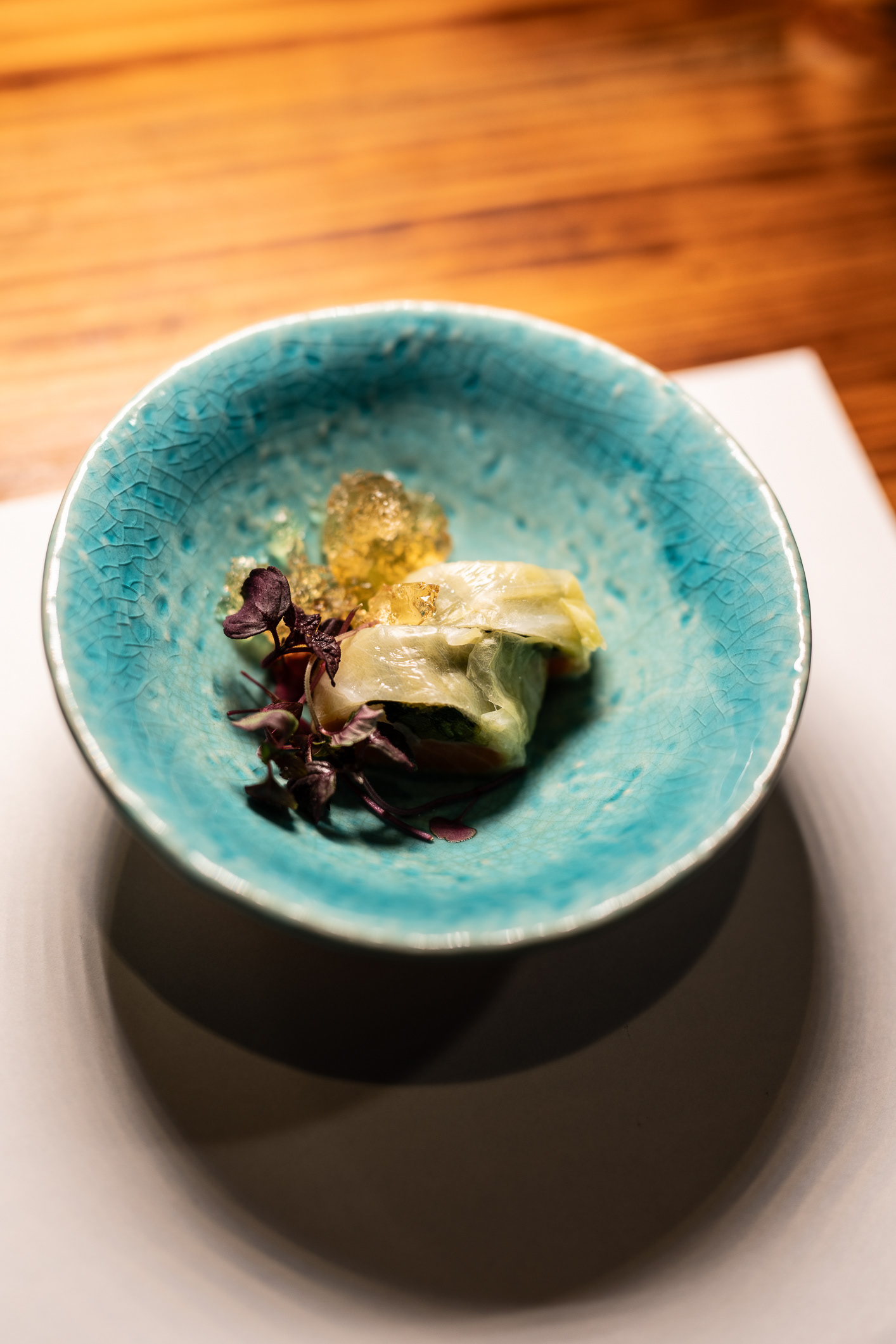
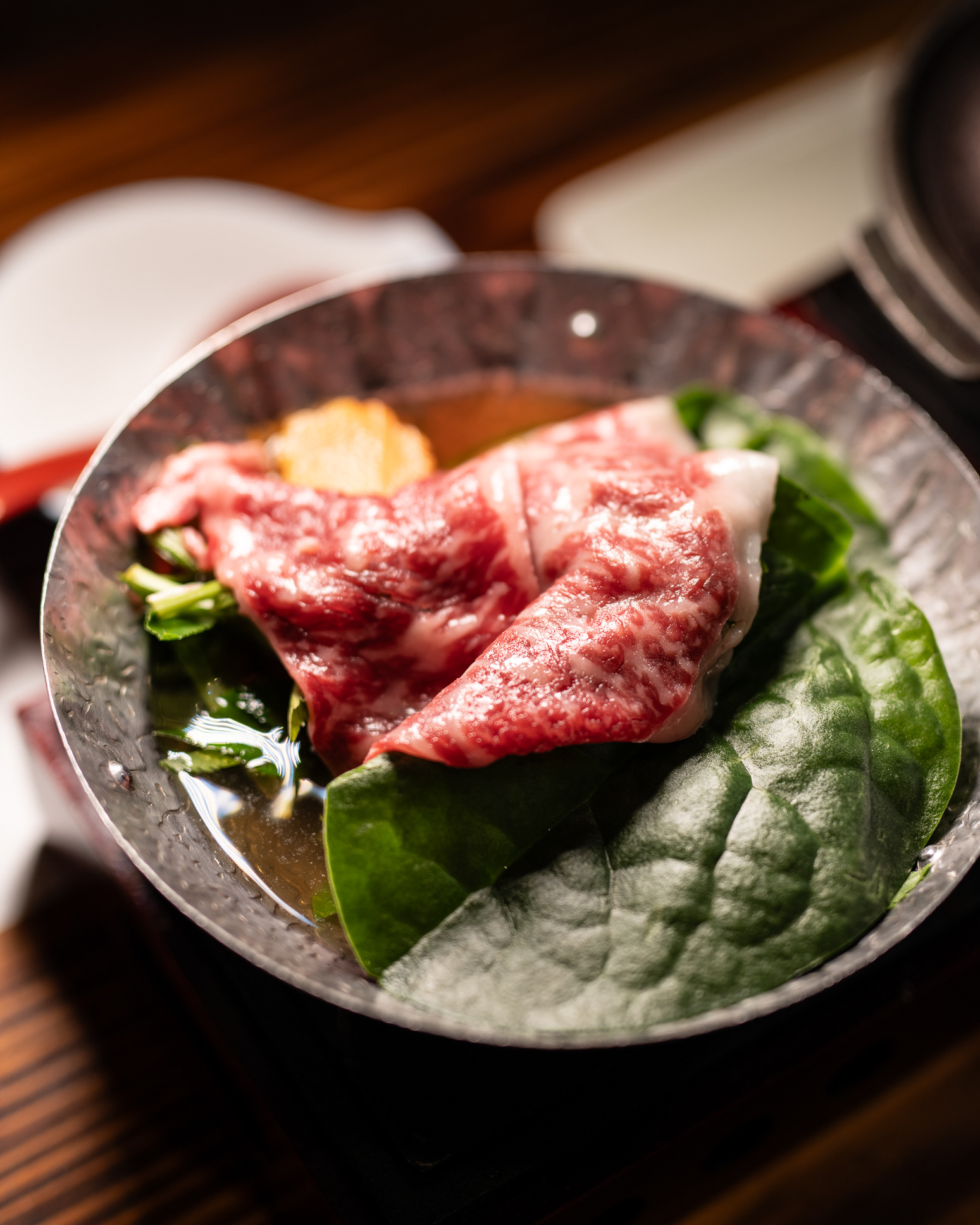
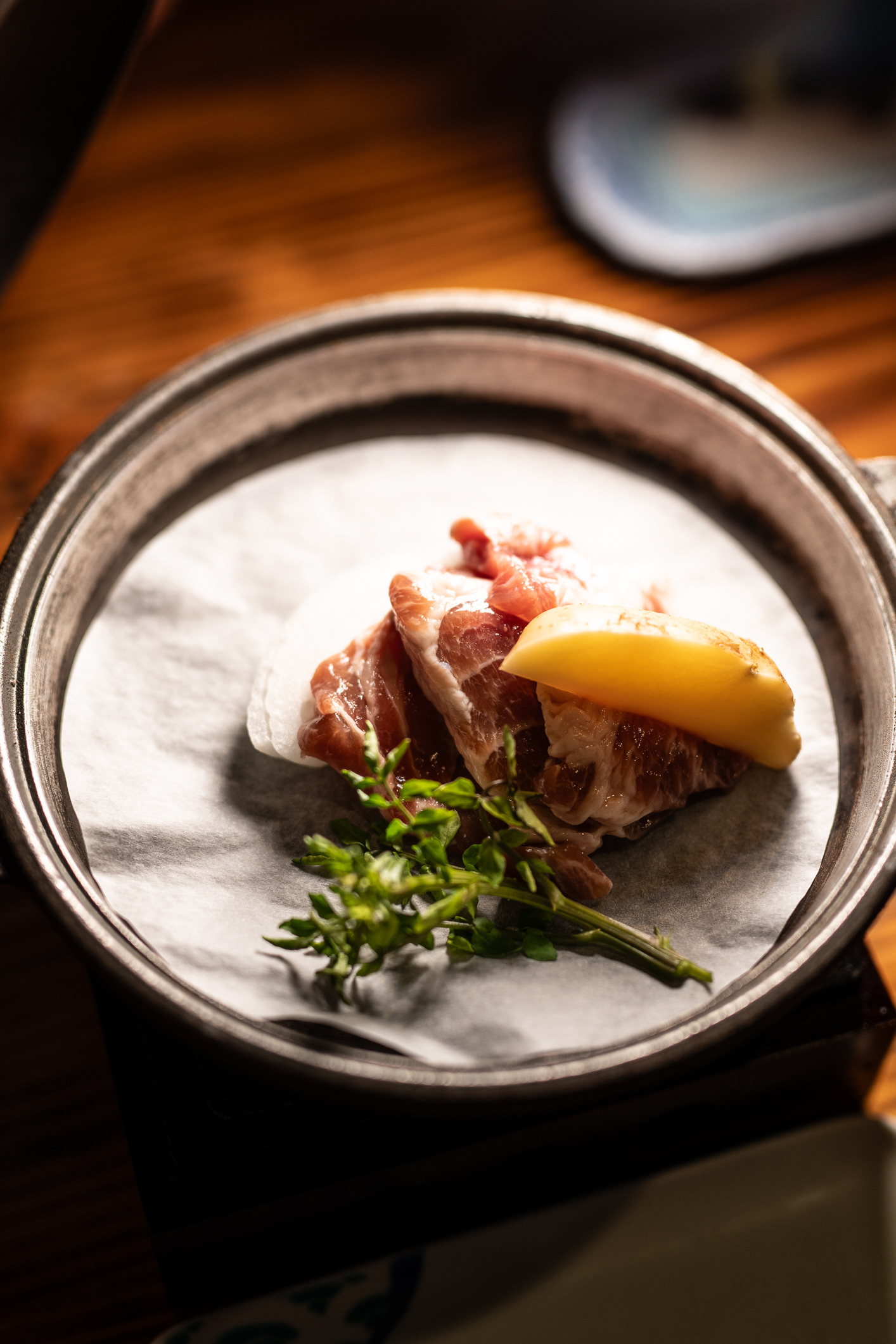
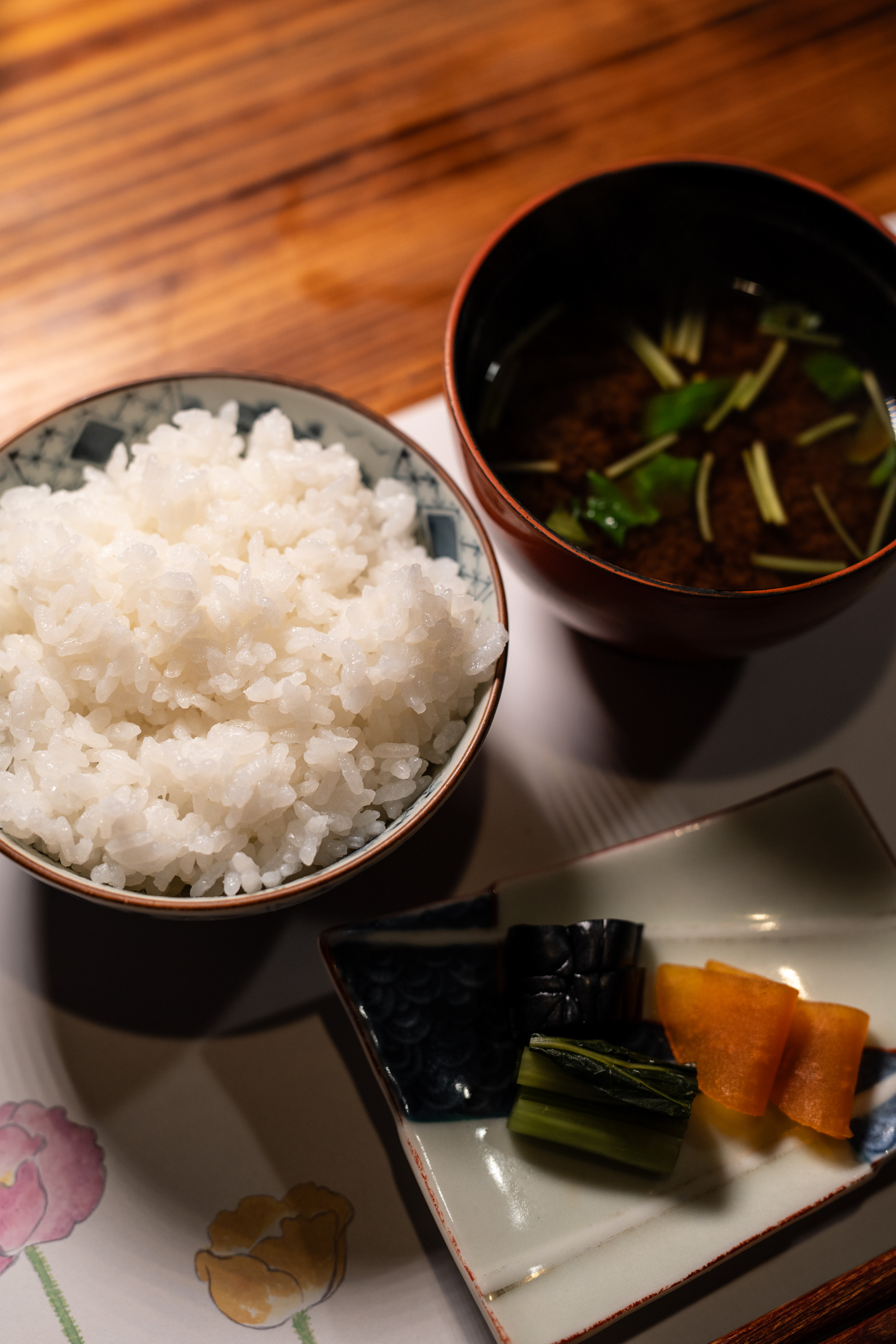
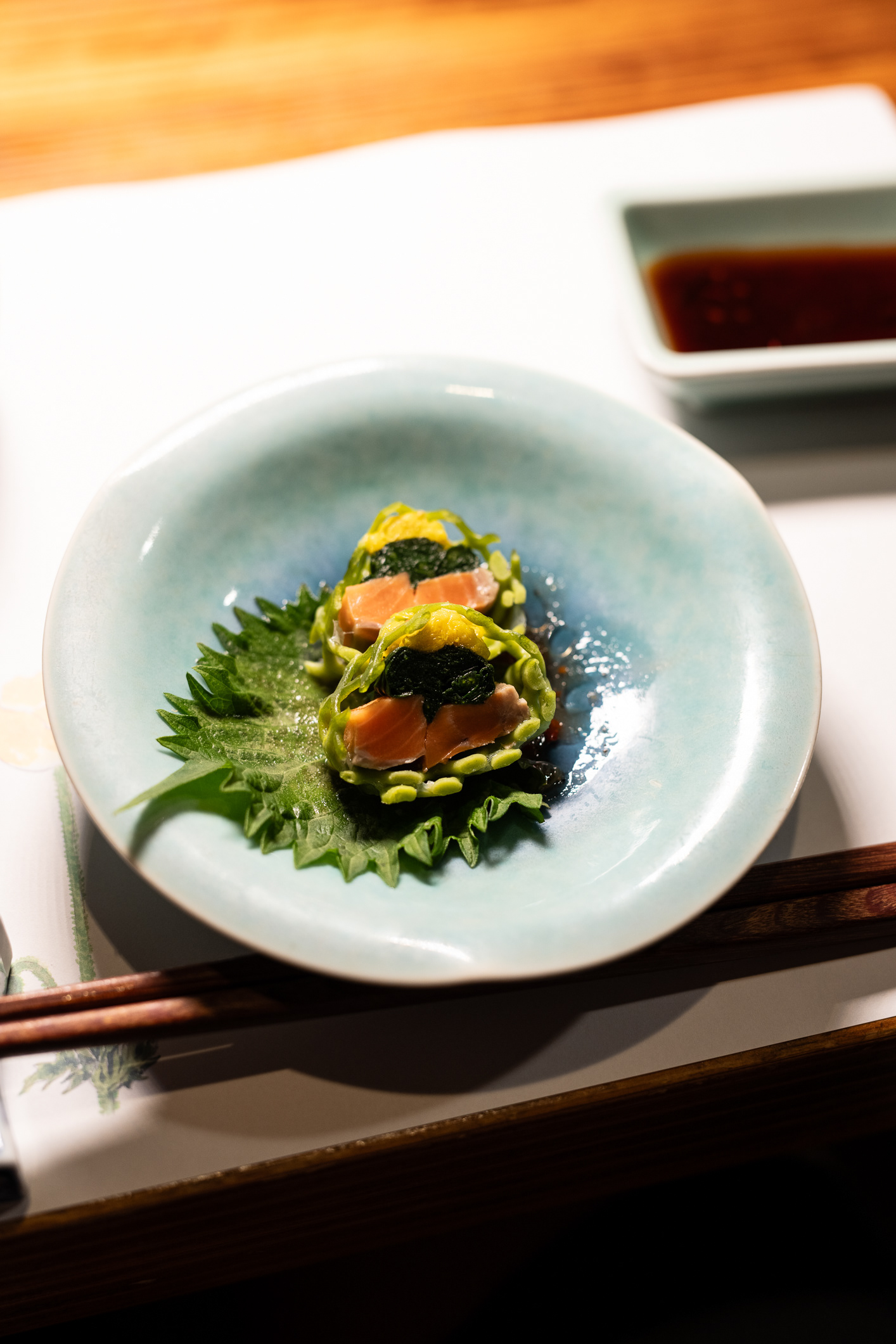
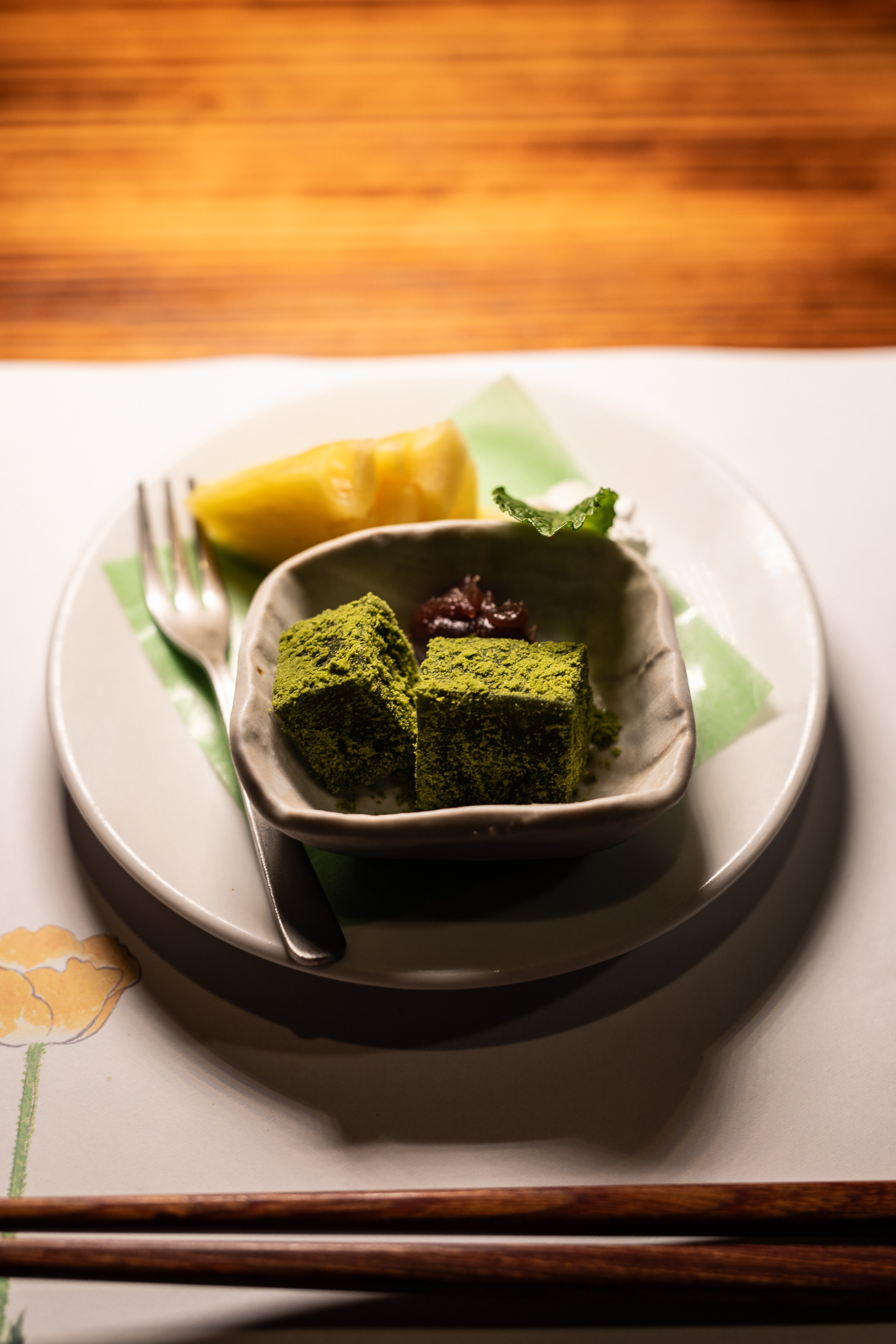
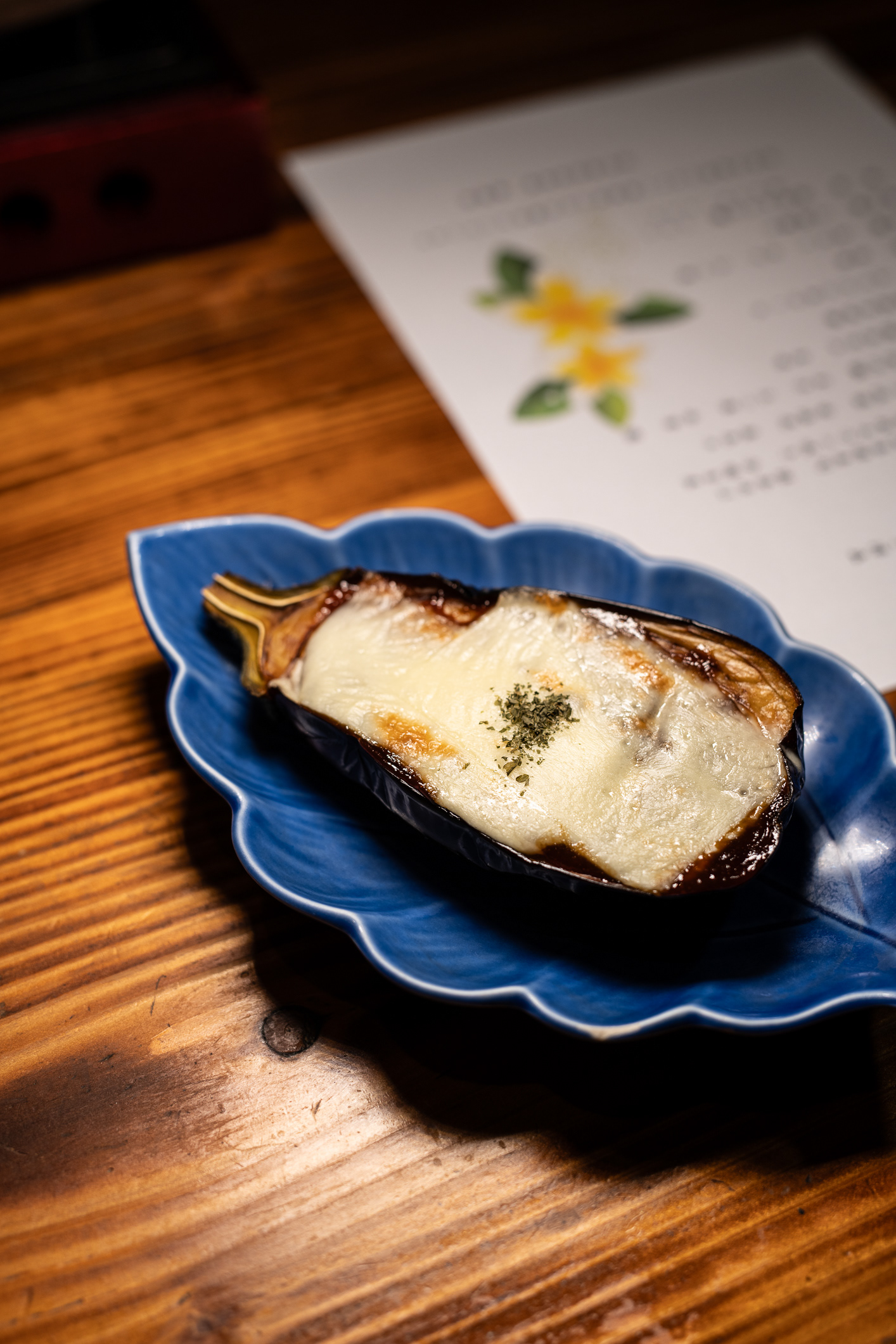
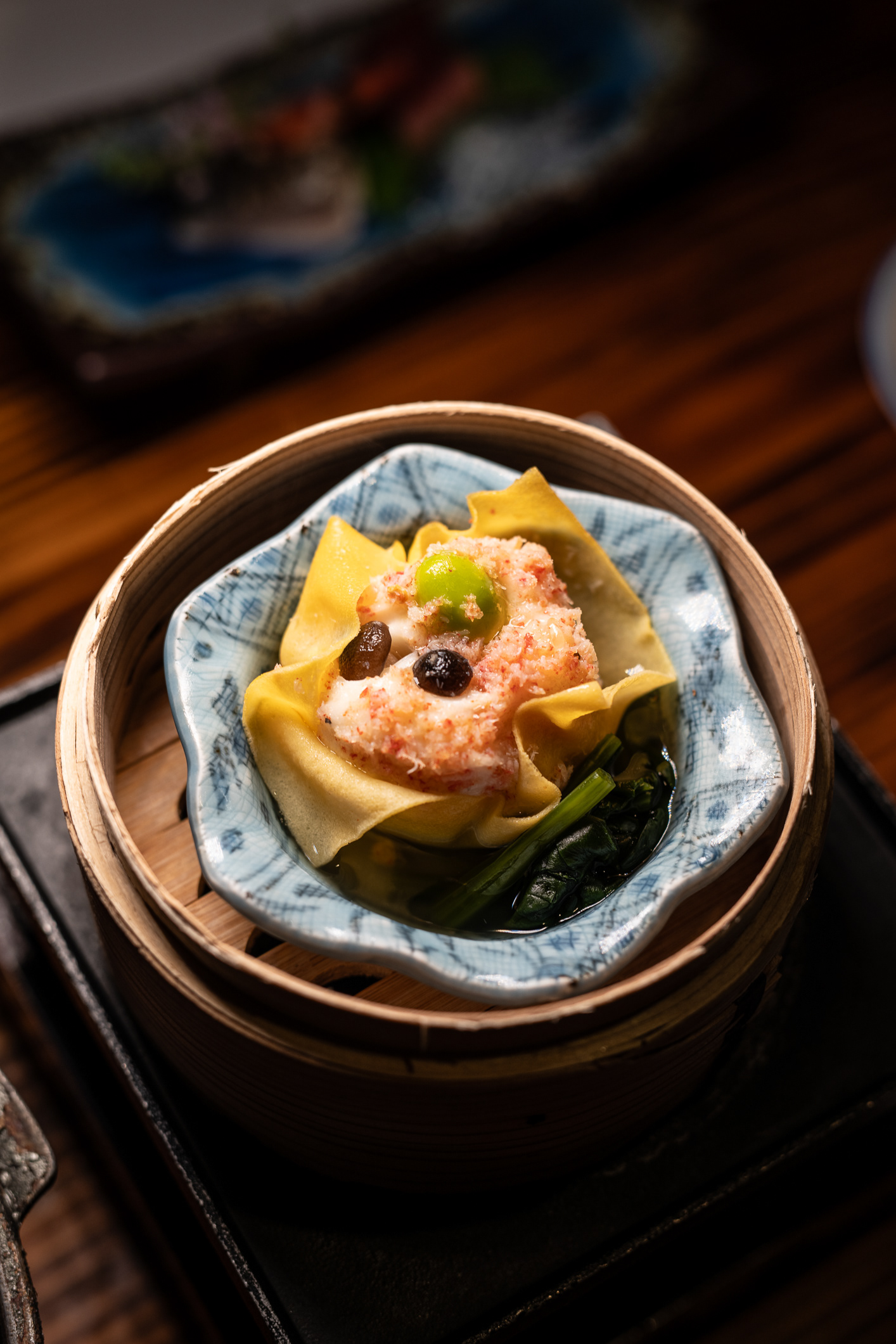
Dinner at Takaragawa Onsen is typically a multi-course Japanese meal, kaiseki style, that uses seasonal local ingredients sourced from the surrounding mountains and rivers. These meals are generous in portion and variety. The largest dining room is in the East Building with a smaller and more intimate dining room in the Main Hall.
While the exact menu changes with the season, dishes often include seasonal ingredients from the mountains and rivers like local mountain vegetables (sansai), wild greens and shoots picked fresh each season, mushrooms and wild herbs harvested from nearby forests and river fish - grilled, simmered or served as sashimi.
Course elements are: sashimi, hot pot (nabemono) featuring Wagyu or local meat simmered with seasonal vegetables, fried fish or tempura made from river fish or vegetables, rice, miso soup, tsukemono (pickles) and a dessert, often simple and seasonal — like fruit or a light sweet.
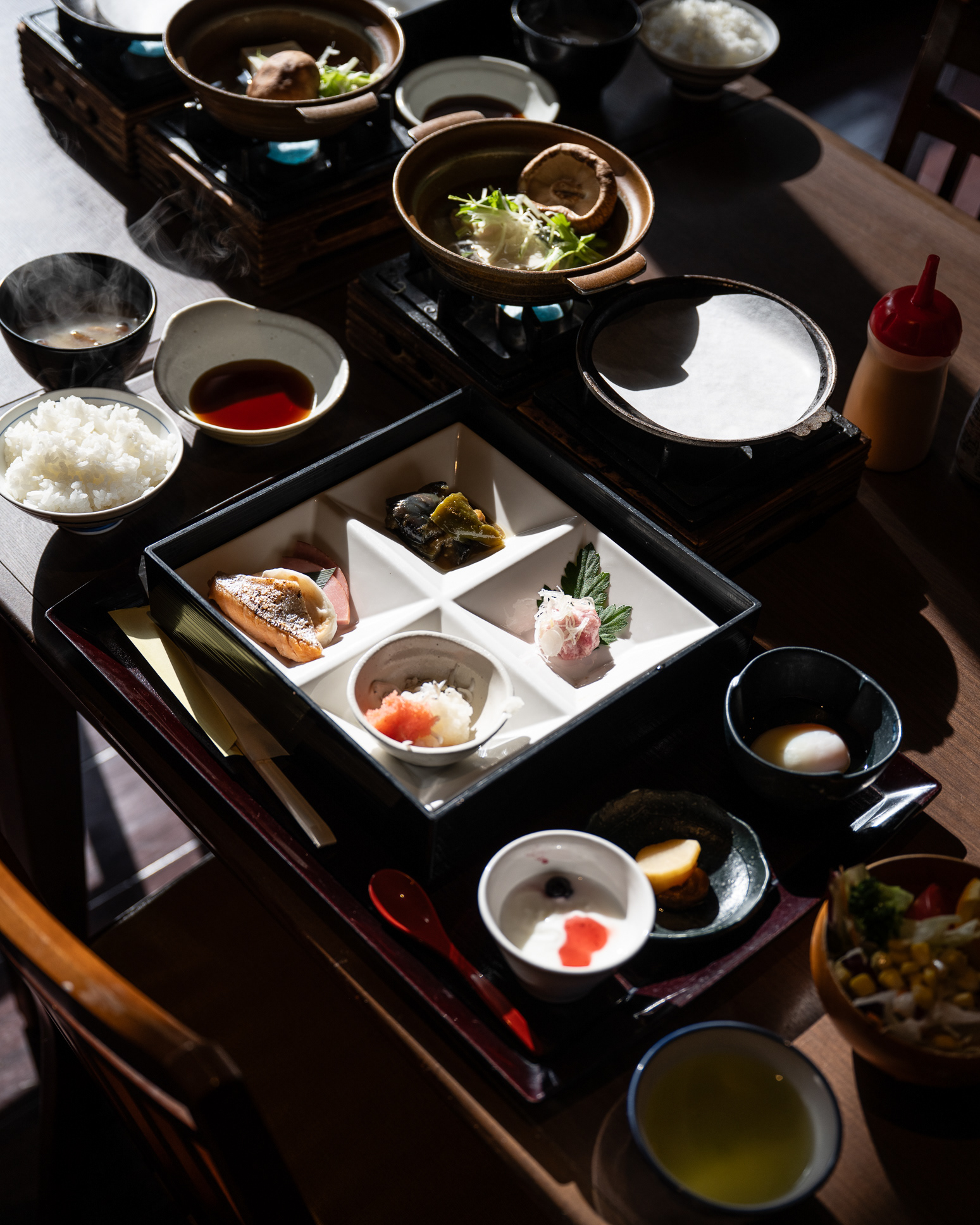
Traditional Japanese breakfast at Takaragawa Onsen
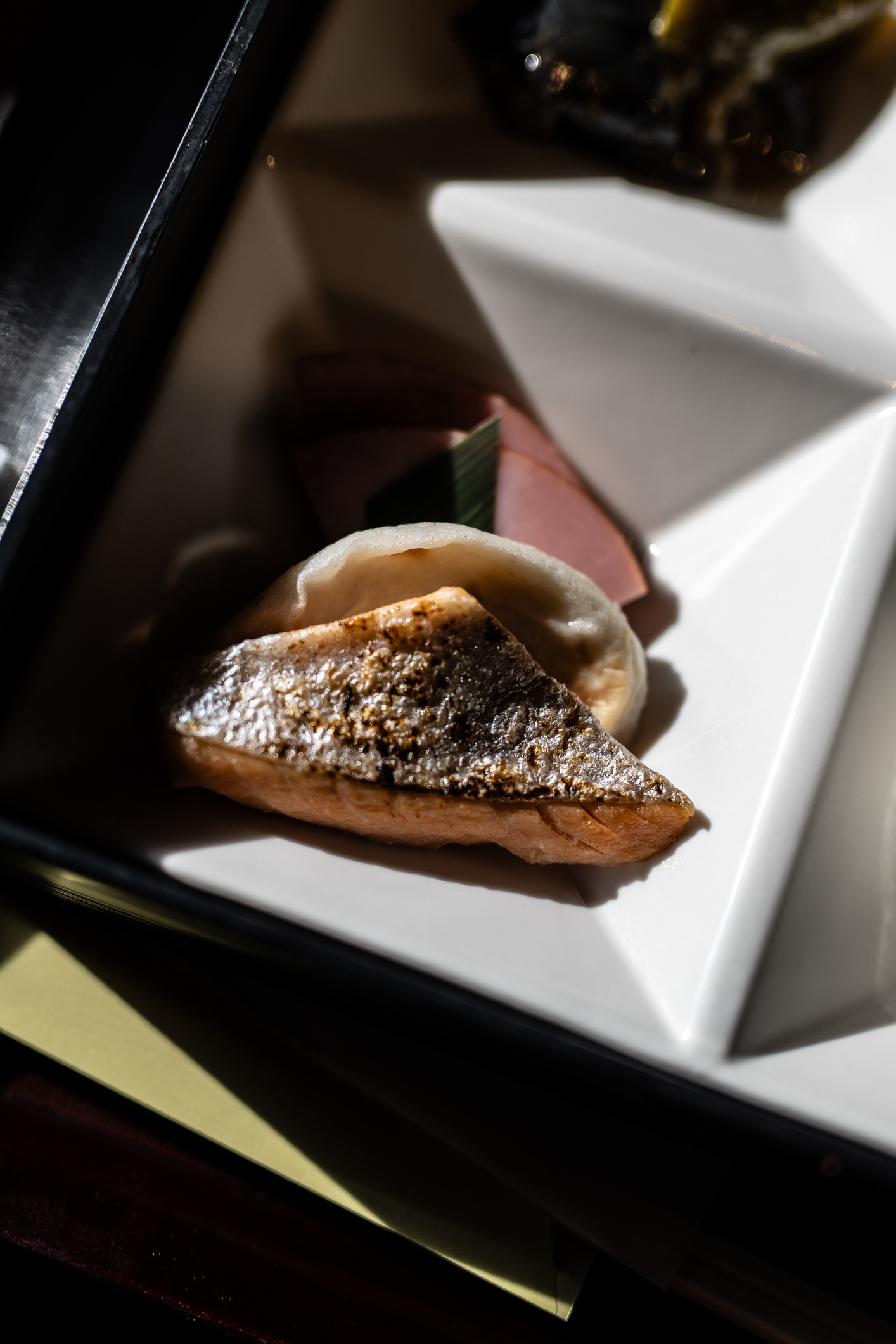
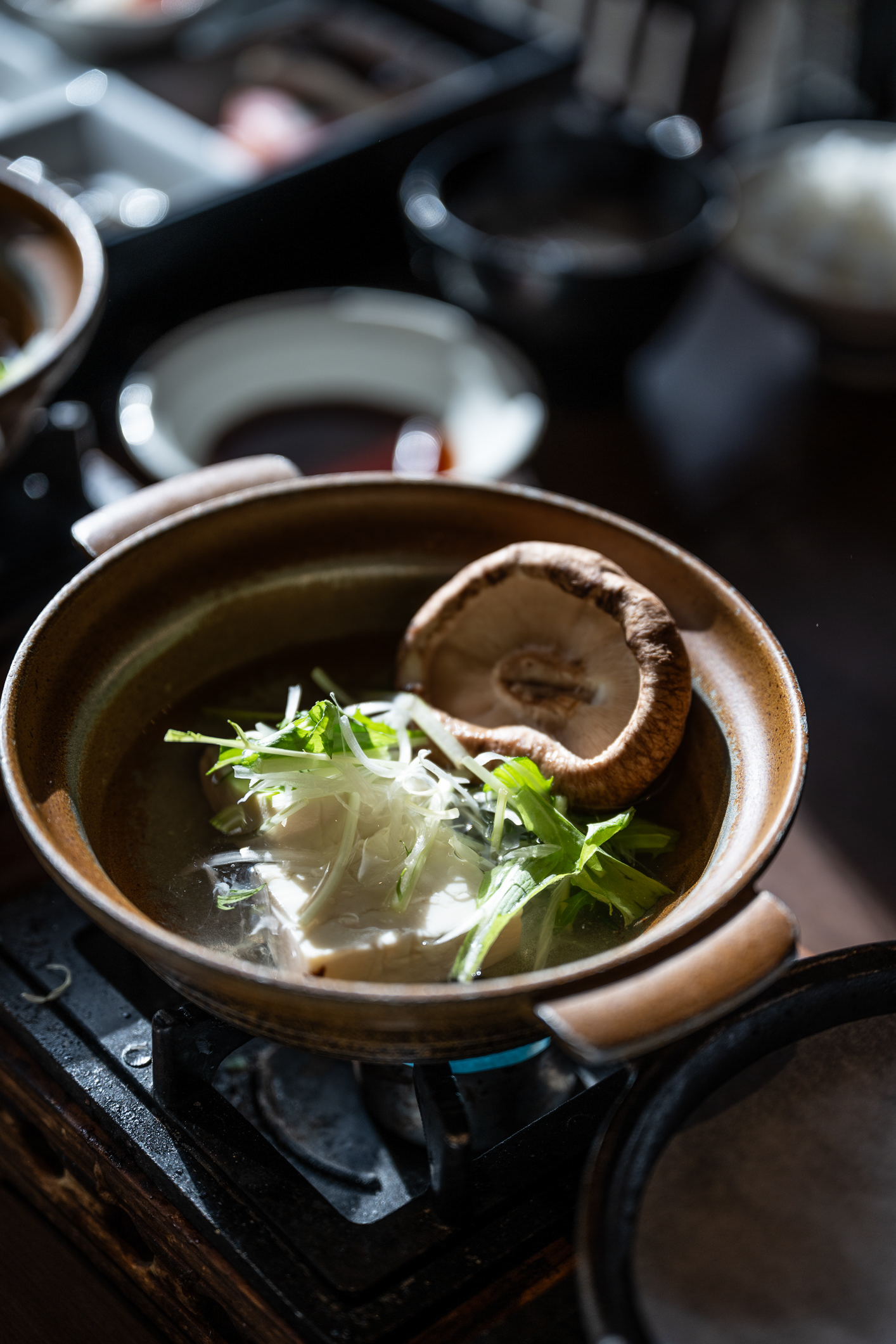
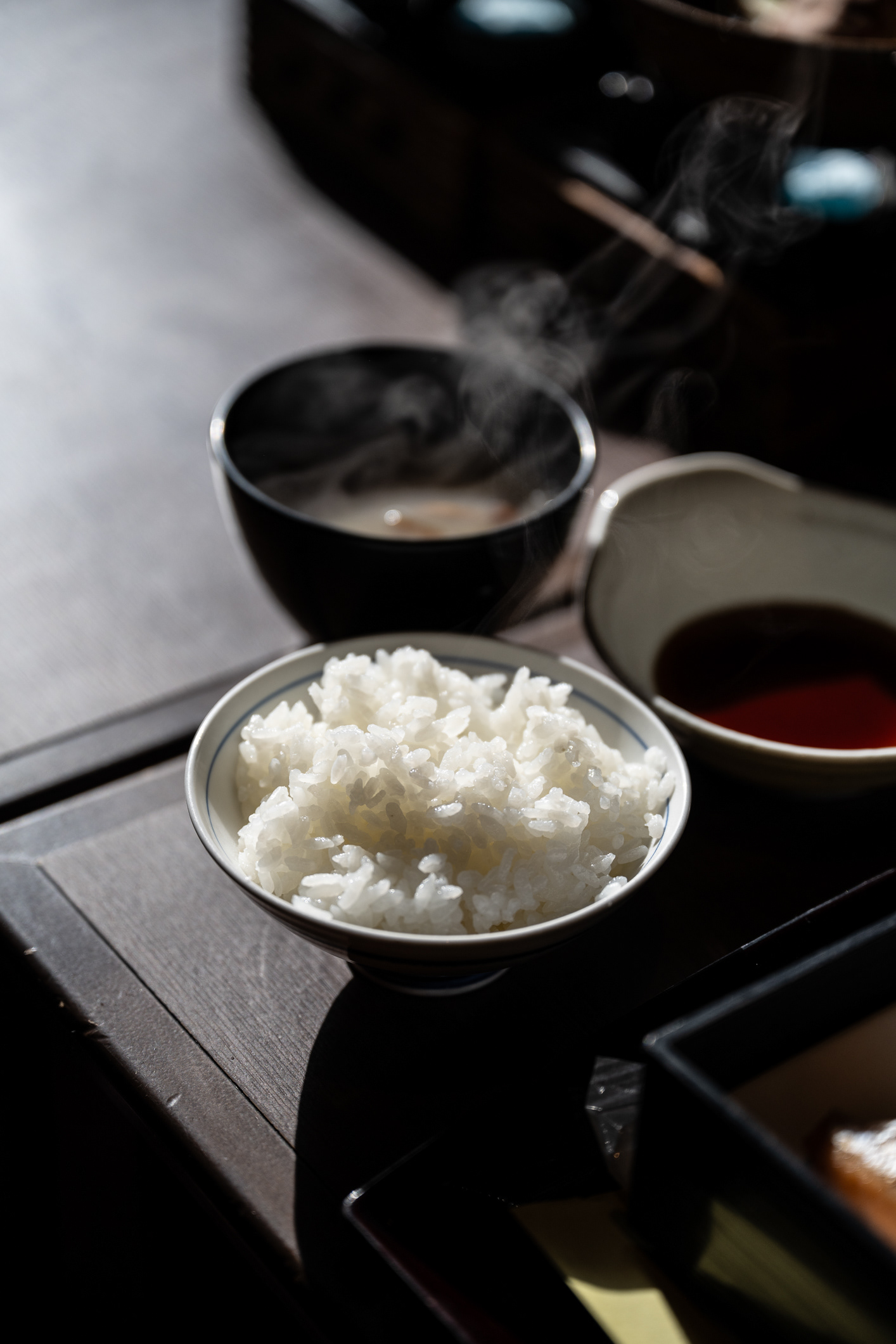
Breakfast at Takaragawa Onsen is typically served in the restaurant dining area and you choose between Japanese or Western-style breakfast. A traditional Japanese breakfast, at Takaragawa Onsen includes: grilled fish (often salmon), egg or tamagoyaki (rolled omelette), rice and miso soup, vegetables and pickles and yogurt or small fruit.
Takaragawa Onsen... ownership, changing times and XXXXXXXX
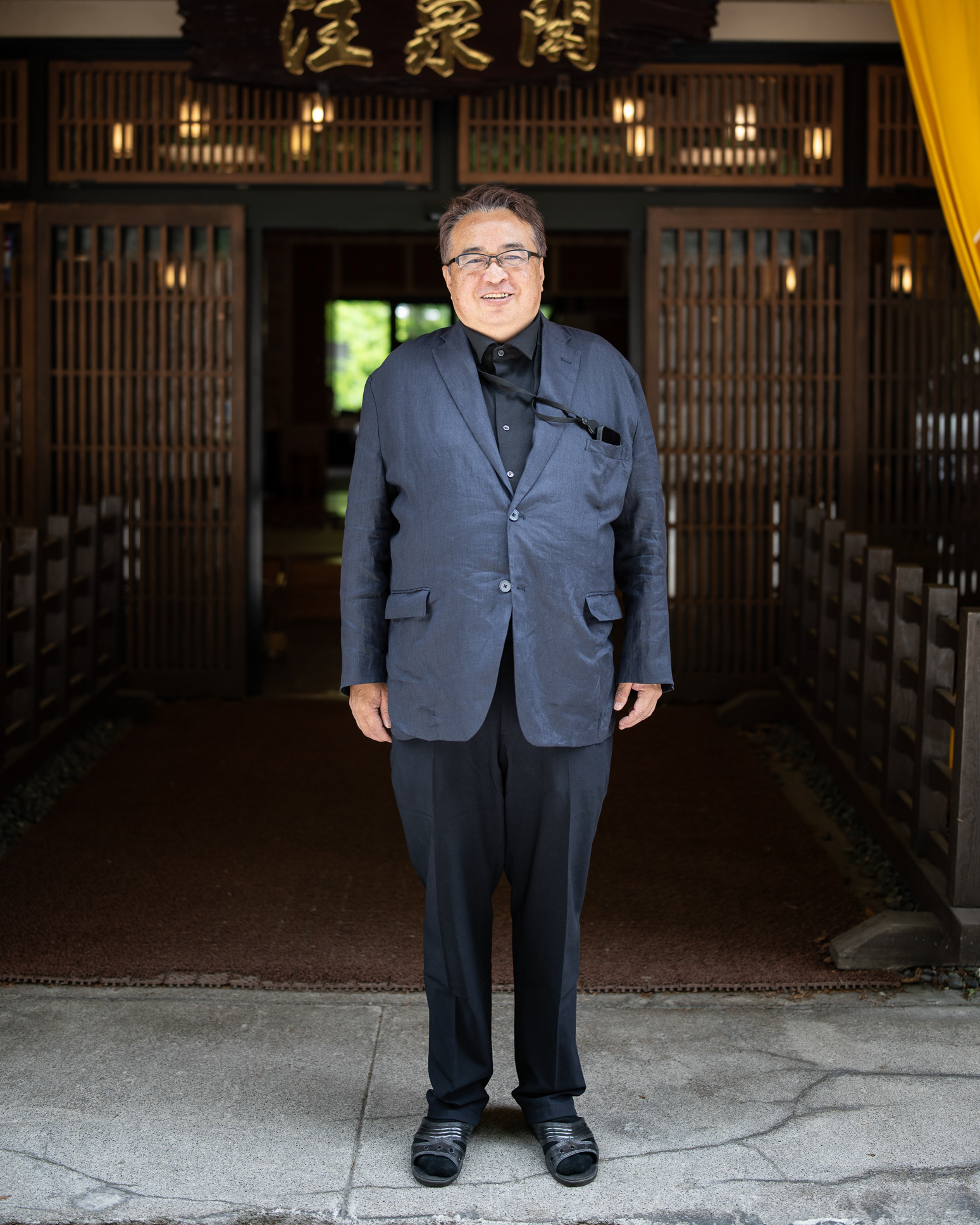
Yoshio One - the owner and director of Takaragawa Onsen
Takaragawa Onsen was founded by Kiyozo Ono in the early fifties with industries, a dam and electricity making it easier to access the hot springs at Takaragawa River. The onsen complex grew through the 60s and 70s and was handed over to Yoshio One (picture above) - being the present owner and director.
After the several decades with growth - recent years have been more challenging. Many onsen regions have experienced decline in visitors the past decades with Covid-19 being a low point. Especially less accessible onsens struggle to attract new visitors. This goes for Takaragawa Onsen as well, unfortunately. When we visited the onsen we saw only few Japanese guests with most being international turists.
So despite a huge increase in tourism in Japan - ryokans and onsens in general have seen a decline in stays and day visits. General trends are: aging population and declining domestic travel to rural areas, competition from urban leisure options and changes in how younger generations travel. Younger travelers today often value different kinds of experiences — such as city breaks, festivals, or adventure travel — more than the traditional multi-day ryokan stay.
Considering how important the cultural heritage onsens and ryokans represent - I hope the current trend changes before too many of the nations wide treasures disappear.
Mixed gender baths...
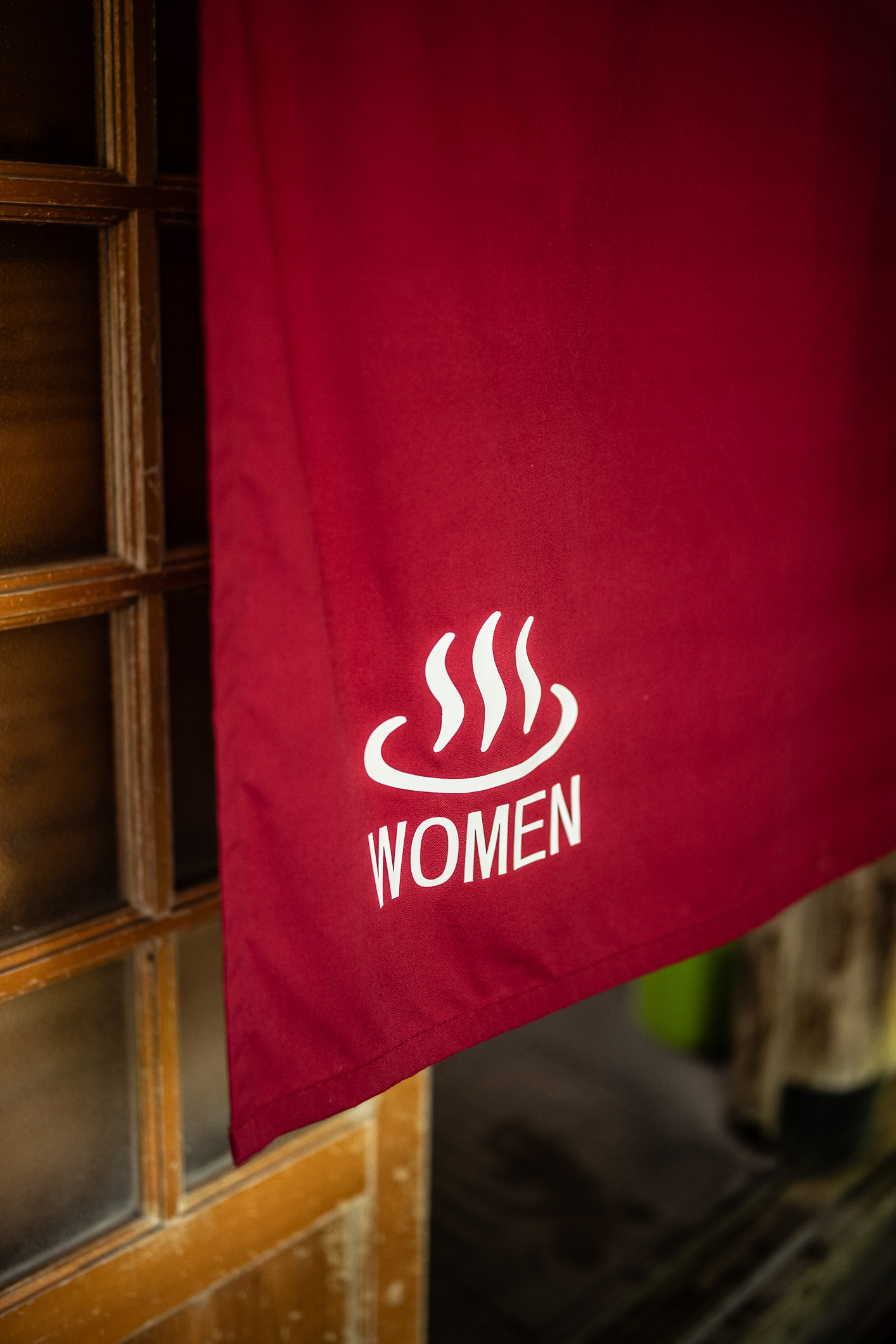
Red noren (curtain) showing the entrance to women bathing room at Takaragawa Onsen
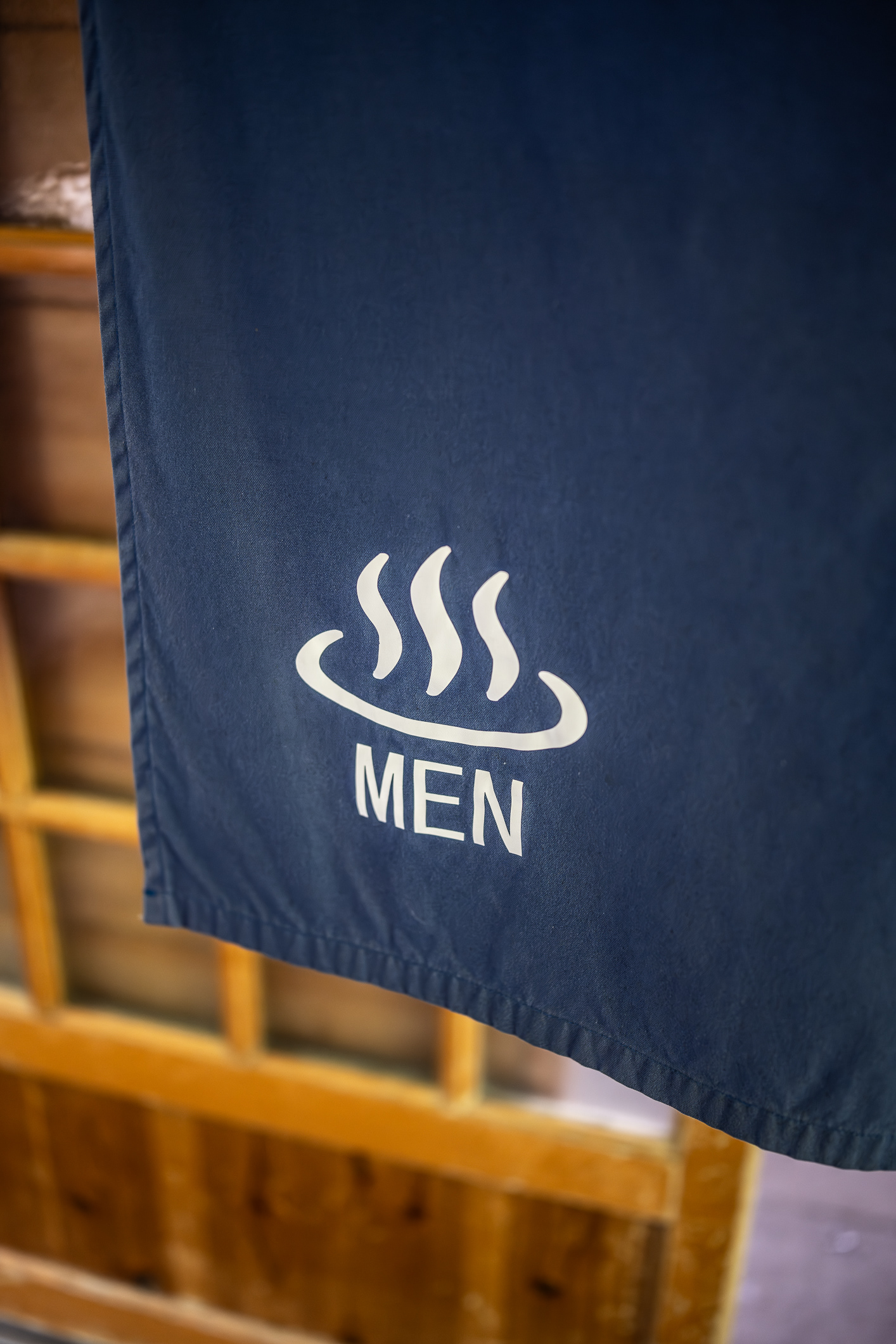
The blue noren showing the entrance to men's bathing room at Takaragawa Onsen
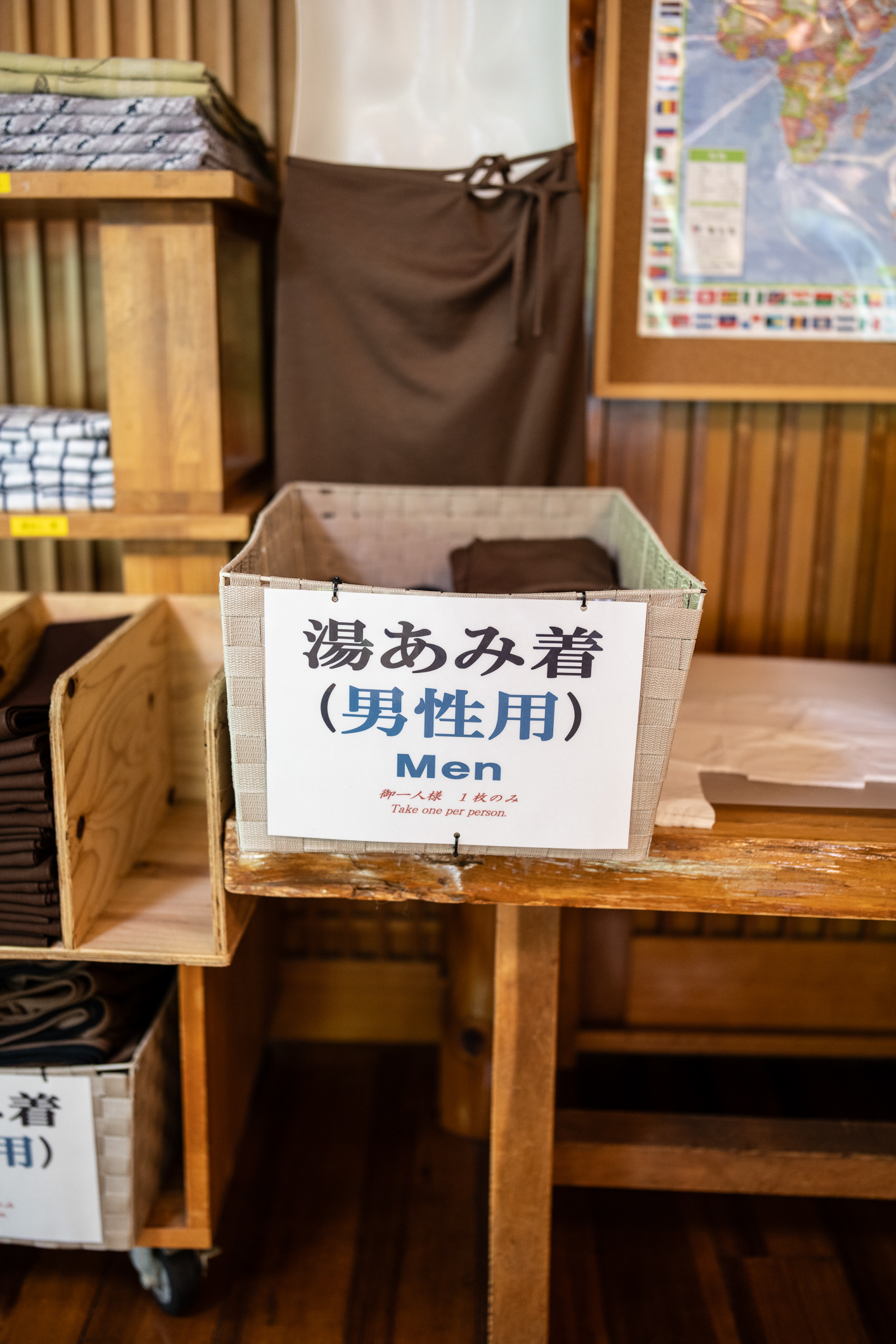
Bathing dress for men which you pick up when you enter the ryokan
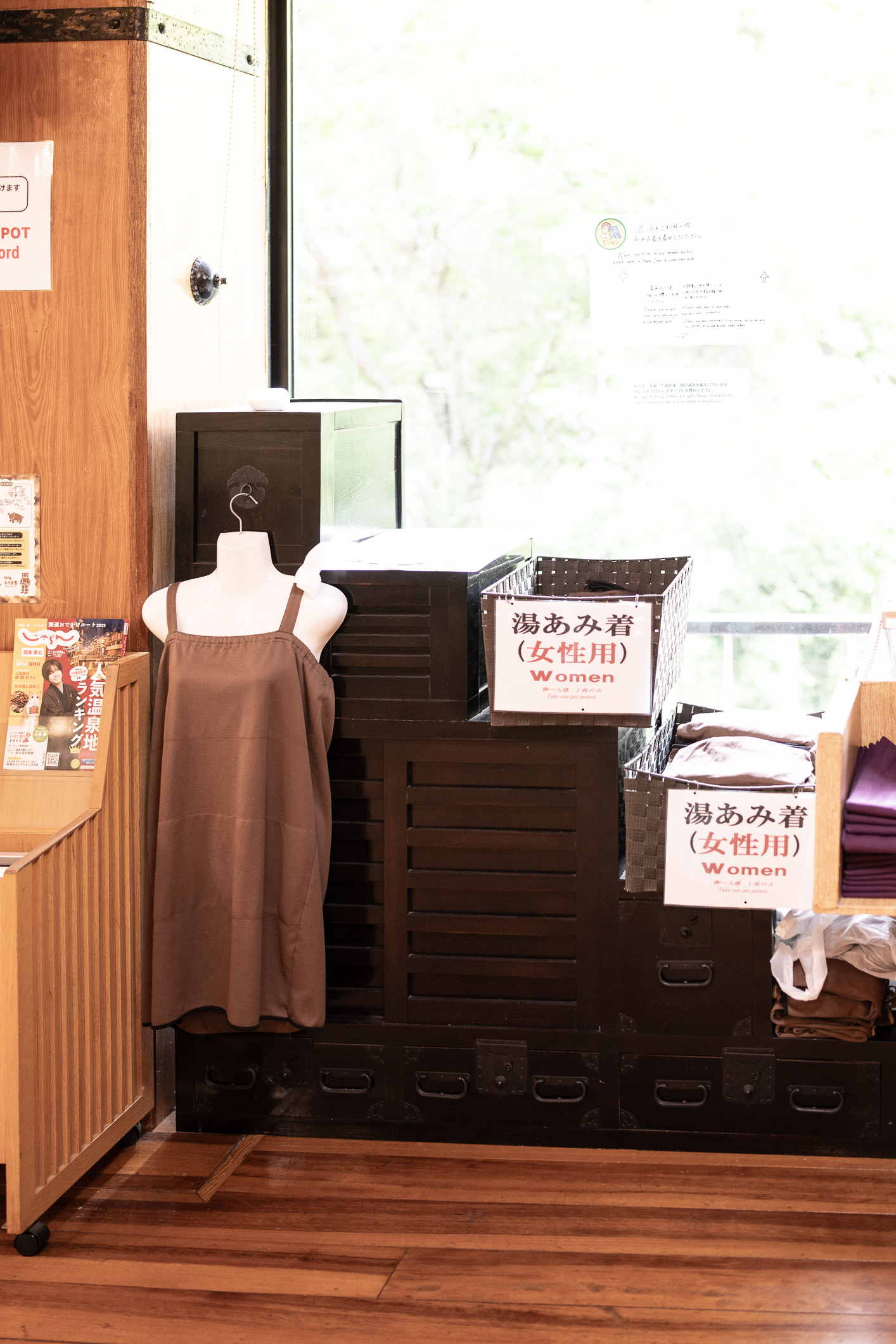
Women's bathing dress at Takaragawa Onsen
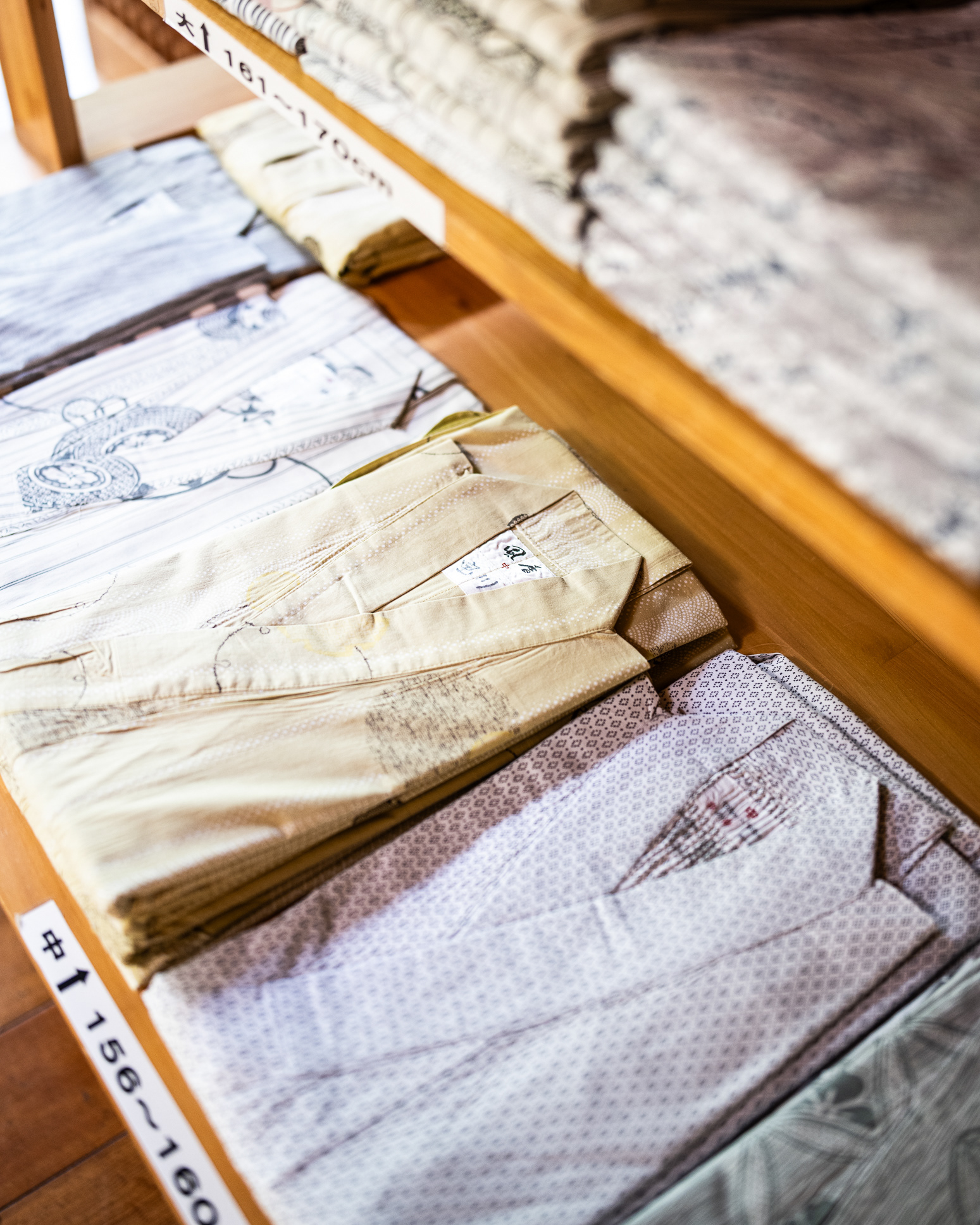
Yukata or a small kimono which is provided at check-in at Takaragawa Onsen
Mixed-gender bathing - known in Japanese as konyoku used to be common throughout Japan; communal bathing in natural hot springs was integrated into local life, family routines, and mountain-village hospitality. These baths were typically simple, natural pools where neighbors and travelers could relax in hot spring mineral water surrounded by nature.
Onsens were shared by everyone - men, women, children, villagers, travelers. Bathing was understood as: practical, therapeutic and communal with nudity being a natural part. Nudity in konyoku culture is about equality, honesty and purification having several similarities to naturism in Europe.
Today, mixed-gender onsens are rarer than they once were. Modern sensibilities around gender, modesty, and tourism have led many onsens to adopt gender-segregated baths or to offer private baths instead. Despite this shift, konyoku persists in select traditional or rural settings, where it remains a living connection to Japan’s bathing heritage.
When mixed bathing is offered, there’s usually clear etiquette and clothing guidance: traditional nude bathing is typical in many separated baths, but where coed bathing is meant to be more accessible to a broad range of visitors, facilities may provide designated bathing garments or wraps for modesty.
At Takaragawa Onsen bathing is still konyoku - with three out of four outdoor baths being mixed-gender. In 2019 the onsen went from all being naked in the baths (Hadaka no tsukiai) to introducing bathing dresses for both men and women - as you can see in two of the photos above.
Link to Takaragawa Onsen website: https://www.takaragawa.com/english.html